
Austin vs Denver
Comprehensive side-by-side comparison of Austin and Denver for relocating professionals. Cost of living, tech jobs, outdoor lifestyle, weather, and no income tax.

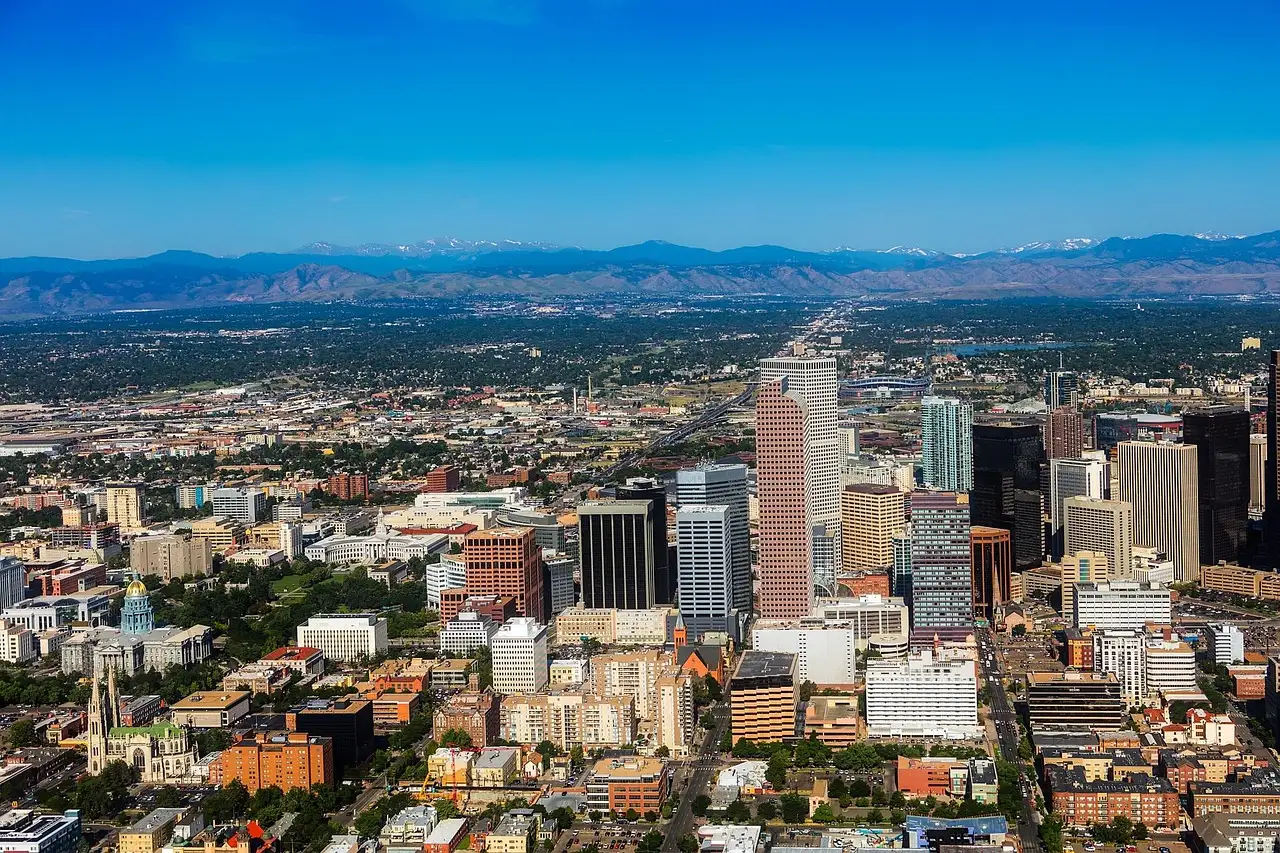 Denver
 Side-by-Side Metrics
| Category | Austin | Denver | Winner | Note |
|---|---|---|---|---|
| Median Home Price | $460,000 | $550,000 | Austin | Austin's median runs about $90K below Denver's |
| Median Rent (1BR) | $1,400 | $1,800 | Austin | Austin rents now sit below Denver's |
| State Income Tax | 0% | 4.4% | Austin | Texas has no state income tax |
| Property Tax Rate | ~1.8% | ~0.48% | Denver | Colorado property taxes are much lower |
| Tech Job Concentration | Tesla, Apple, Google | Growing hub | Austin | Austin's tech concentration is deeper and more varied than Denver's |
| Outdoor Access (Mountains) | Hill Country | Rocky Mountains | Denver | World-class skiing and 14ers within an hour |
| Sunny Days/Year | 228 | ~245 | Denver | Denver's famous "300 days of sunshine" is marketing; NOAA data supports roughly 245 |
| Summer Heat (Avg High July) | 97°F | 90°F | Denver | Denver's altitude keeps summers mild |
| Live Music Scene | 250+ venues | Red Rocks + venues | Austin | Austin is the Live Music Capital of the World |
| Cost of Living Index | ~103 | ~112 | Austin | Austin is closer to national average |
Texas property tax figures above are pre-exemption rates
Texas rates are quoted as combined rates before exemptions — the sum of independently governed taxing units (county, school district, city, hospital, college, and any MUD), so the true total is address-dependent. A Texas homeowner who files for the residence homestead exemption removes $140,000 of taxable value from the school-district portion of the bill only (Tex. Tax Code §11.13(b)). It is not a discount on the whole bill and cannot simply be subtracted from the combined rate.
What it actually saves depends on your own school district's rate — typically $1,400 to $1,800 a year, which takes a statewide combined rate of roughly 1.6–2.5% down to an effective 1.4–1.8% after the exemption (Texas Comptroller — property tax exemptions; Tax Foundation). You must file for it; it is not automatic. Where both cities compared are in Texas, the exemption applies on both sides. Full detail: Texas Property Tax Guide.
Detailed Category Breakdown
Economy & Jobs
Winner: AustinAustin and Denver are both thriving Sun Belt tech hubs, but Austin has a clear edge in technology job concentration. Tesla's Gigafactory, Apple's $1 billion campus, Google, Meta, Oracle's relocated headquarters, Samsung's chip fabrication plant, and a nationally ranked startup ecosystem put Austin in the same conversation as the Bay Area and Seattle. The University of Texas provides a deep talent pipeline, and venture capital flows into Austin at rates that outpace Denver significantly. Denver's economy is strong and diversifying, with growing presences from Google, Amazon, Palantir, and numerous aerospace and defense firms including Lockheed Martin and Ball Aerospace. Denver also benefits from a robust renewable energy sector and significant federal government operations. Both cities have low unemployment and solid wage growth. For pure tech careers and startup opportunities, Austin leads. For aerospace, defense, and energy sector roles, Denver has more depth.
Cost of Living
Winner: AustinAustin wins on overall cost of living, primarily through the elimination of state income tax. Texas charges zero percent while Colorado levies a flat 4.4% rate, saving an Austin resident $4,400 annually on a $100,000 salary. Housing favors Austin as well, with a median home price of $460,000 compared to Denver's $550,000. Denver does have significantly lower property taxes at roughly 0.48% versus Austin's 1.8%, which partially offsets the income tax advantage on expensive homes. One-bedroom rents now favor Austin at about $1,400 versus Denver's $1,800 after Austin's correction from its 2022 rental peak. Groceries and dining costs are comparable. The cost of living index places Austin around 103 versus Denver's 112, meaning a family's dollar stretches roughly 8-10% further in Austin. For high earners above $150,000, the income tax savings alone make Austin the more financially advantageous choice.
Outdoor Lifestyle
Winner: DenverDenver wins this category, and the margin is significant for outdoor enthusiasts. The Rocky Mountains are within a 30-minute drive, offering world-class skiing at resorts like Vail, Breckenridge, and Arapahoe Basin; hiking among 50+ peaks above 14,000 feet; mountain biking on legendary trails; rock climbing; and white-water rafting. Red Rocks Amphitheatre provides a concert experience that no other US venue matches. Denver's urban trail system along the South Platte River and Cherry Creek is excellent for daily recreation. Austin counters with a different but genuine outdoor scene — Barton Springs Pool, Lady Bird Lake, the Greenbelt, and Hill Country state parks like Enchanted Rock and Pedernales Falls offer swimming, kayaking, hiking, and camping. Austin's outdoor recreation is excellent by any standard, but it operates on a fundamentally different scale than the Rocky Mountain experience. If skiing, mountain hiking, and high-altitude adventure are priorities, Denver is irreplaceable.
Weather & Climate
Winner: TieBoth cities are sunny but the climates differ substantially. Denver's tourism boards advertise 300 days of sunshine; NOAA records support closer to 245, still excellent, paired with dry, cold winters and mild summers that rarely exceed 95°F. Austin gets 228 sunny days with intense summers hitting 100°F+ from June through September with notable humidity. Denver receives about 57 inches of snow annually, though individual storms melt quickly due to intense high-altitude sunshine. Austin rarely sees snow but faces brutal summer heat that confines outdoor activity to mornings and evenings for three months. Denver's mile-high altitude means year-round low humidity, which most people find comfortable. Austin's Cedar Fever allergy season from December through February has no Denver equivalent and is a significant quality-of-life issue for newcomers. Austin's flash flood risk during spring and fall rains is a serious safety concern. Denver faces occasional hailstorms and winter driving challenges but fewer acute weather hazards. The climate choice comes down to preference: dry mountain cold versus humid Southern heat.
Culture & Entertainment
Winner: TieAustin and Denver each offer vibrant but distinct cultural identities. Austin is the Live Music Capital of the World with 250+ venues hosting nightly performances across every genre. SXSW and Austin City Limits Festival are global cultural events. The food scene centers on legendary Tex-Mex, BBQ, food trucks, and a booming farm-to-table movement. The city's creative energy is grassroots and deeply integrated into daily life. Denver's cultural scene revolves around outdoor adventure, craft beer (among the highest brewery density per capita in the US), and a laid-back mountain-town energy that belies its major metro status. Red Rocks Amphitheatre is one of the most iconic concert venues on earth. Denver's dining scene excels in farm-to-table and craft beverages. Both cities support thriving arts communities, but the vibe differs: Austin is live-music casual, while Denver is outdoor-adventure casual. Both are excellent — the right choice depends entirely on what you value in daily cultural life.
Our Verdict
Austin is the stronger choice for tech professionals seeking a top-tier innovation ecosystem, those who prioritize zero state income tax, and people drawn to live music culture and warm-weather outdoor living. Denver is ideal for outdoor adventure enthusiasts who want world-class mountain access, skiers and hikers who build their lifestyle around the Rockies, and those who prefer dry, mild summers over humid Texas heat. Austin wins on cost of living and tech job depth; Denver wins on outdoor recreation and climate comfort. Both are excellent cities experiencing rapid growth — your decision should weigh career priorities, outdoor lifestyle preferences, and how you feel about summer heat versus winter snow.
Frequently Asked Questions
Is Austin or Denver cheaper to live in?
Austin is cheaper overall. The median home price is $460,000 versus Denver's $550,000, and Texas's zero percent income tax saves $4,400 per $100,000 of income compared to Colorado's 4.4% rate. Denver's much lower property tax rate at roughly 0.48% versus Austin's 1.8% is a meaningful offset, but for most households the income tax elimination wins. The cost of living index places Austin at approximately 103 versus Denver's 112. For a household earning $150,000, living in Austin saves roughly $10,000-$15,000 annually when combining income tax elimination and lower housing costs.
Which city is better for tech jobs?
Austin has a significant advantage in tech job concentration. Tesla's Gigafactory, Apple's $1 billion campus, Google, Meta, Oracle's relocated headquarters, and Samsung's chip fabrication plant anchor an ecosystem routinely grouped with the largest in the country. Austin's startup scene is nationally recognized with strong VC presence. Denver's tech sector is growing with Google, Amazon, and Palantir expanding operations, but the concentration and variety of tech roles in Austin is substantially greater. If tech is your primary career, Austin offers more options, stronger networking, and deeper specialization opportunities.
How does outdoor recreation compare between Austin and Denver?
Denver wins for mountain-based outdoor activities including skiing, high-altitude hiking, and mountain biking — the Rockies are within 30 minutes and offer an unmatched recreation scale. Austin wins for water-based recreation with Barton Springs Pool, Lady Bird Lake kayaking, and Hill Country swimming holes. Both cities have excellent urban trail systems. The key difference is variety: Denver's outdoor scene is centered on mountains and altitude, while Austin's is centered on water and warm-weather activities. If you ski, Denver is the obvious choice. If you prefer swimming and warm-weather hiking year-round, Austin delivers.
What about the weather difference?
Denver is drier and cooler, with roughly 245 days of sunshine, mild summers rarely exceeding 95°F, and cold but manageable winters with 57 inches of snow. Austin is hotter and more humid, with 228 sunny days, summers regularly hitting 100°F+, and mild winters with rare freezing events. Denver's altitude keeps humidity low year-round. Austin has unique weather challenges: Cedar Fever allergy season from December through February and serious flash flooding risk during heavy rains. Most people who dislike humidity prefer Denver; those who cannot tolerate cold and snow prefer Austin.
Which city is growing faster?
Both are among the fastest-growing metros in the US. Austin's population growth rate has been slightly higher on a percentage basis, driven by massive tech company relocations and expansions since 2020. Denver's growth has moderated somewhat as affordability concerns push some residents to cheaper markets. Austin continues to attract both companies and individuals from higher-cost states. However, Austin's infrastructure — particularly transportation — has strained under rapid growth, while Denver's more established transit system and highway network have handled expansion somewhat better. Both cities face the growing-pains challenge of maintaining quality of life during rapid expansion.
Explore Austin
Neighborhoods, schools, jobs & more
More Comparisons
Austin vs other cities