
Austin Neighborhoods — Best Areas to Live in 2026
Updated
Explore 21 neighborhoods with relocation scores, rent data, and insider insights.
Austin's neighborhoods divide into two worlds: the vibrant inner city hugging Lady Bird Lake and the fast-growing Hill Country suburbs stretching north and west. Inside the urban core, South Congress, East Austin, and Downtown deliver walkability, live music, and tech-employer proximity — but at Austin's highest price points. The good news for 2026 relocators: the Austin Board of REALTORS pegged the metro median around $460,000 in May 2026, roughly 17 percent below the 2022 peak of about $550,000. That is a genuine buying window that didn't exist during the pandemic frenzy.
Head to Round Rock, Cedar Park, or Pflugerville for family-friendly suburbs with strong schools and significantly lower housing costs. Two factors reach every address in the metro: Flash Flood Alley creates real flood risk along the Shoal Creek and Onion Creek corridors, and Cedar Fever hits hard from December through February. Electricity is the one that catches people out, because it is not the same everywhere. Inside the Austin city limits, Austin Energy is your only provider, a municipal utility with no plans to shop. Round Rock and Pflugerville sit in the deregulated market where you choose a retail provider, and Leander and Dripping Springs are Pedernales Electric Cooperative territory. Use the filters below to narrow your search by rent budget, walk score, and vibe — then compare your top picks side by side.

Explore Austin Neighborhoods
21 neighborhoods found
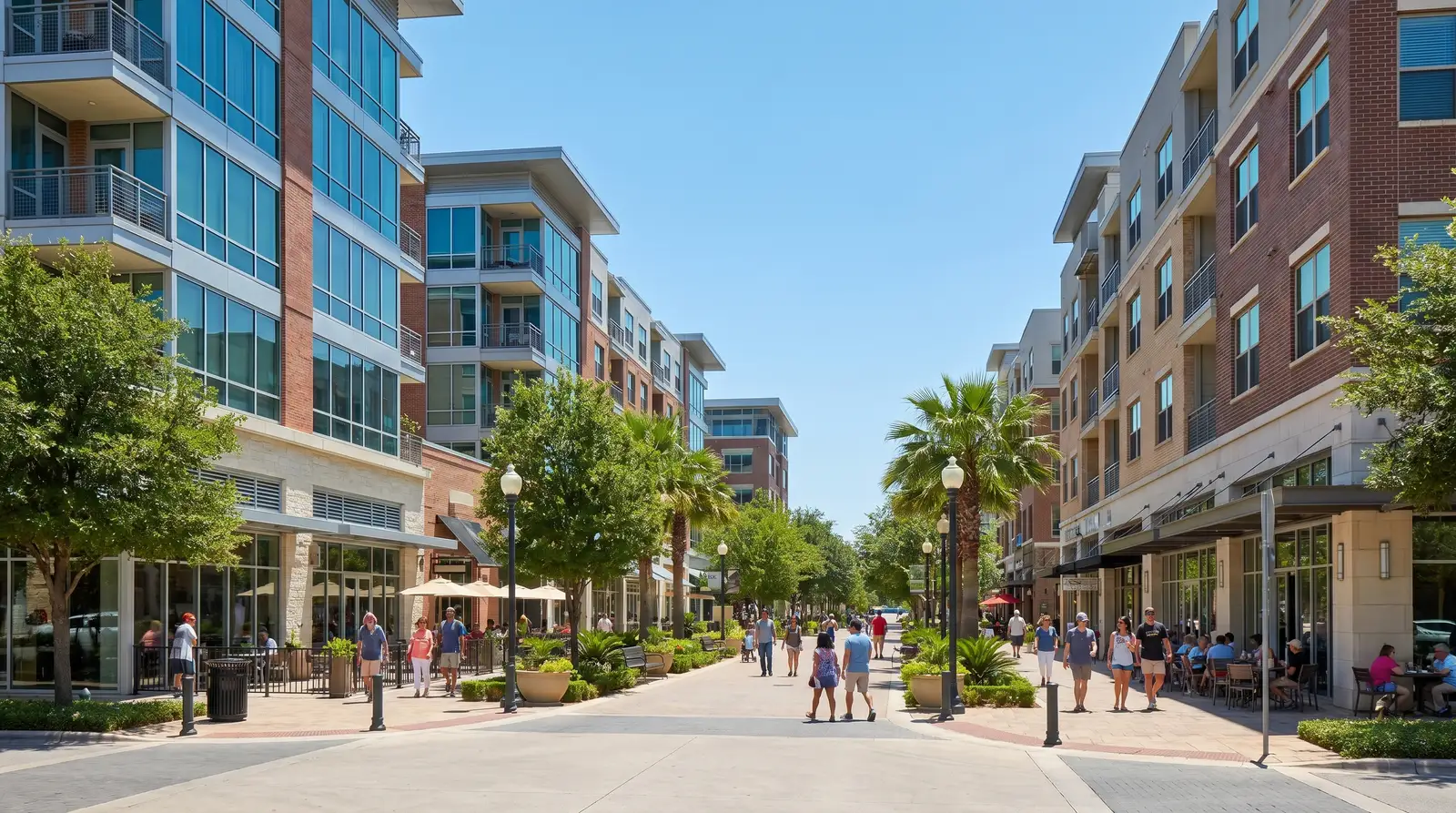
The Domain
$2,100
Rent/mo
78
Walk Score
66
Score
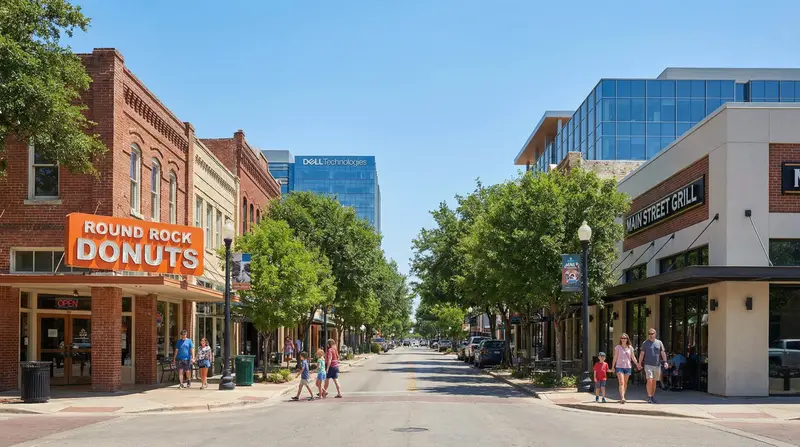
Round Rock
$1,650
Rent/mo
28
Walk Score
65
Score

Downtown Austin
$2,850
Rent/mo
90
Walk Score
64
Score
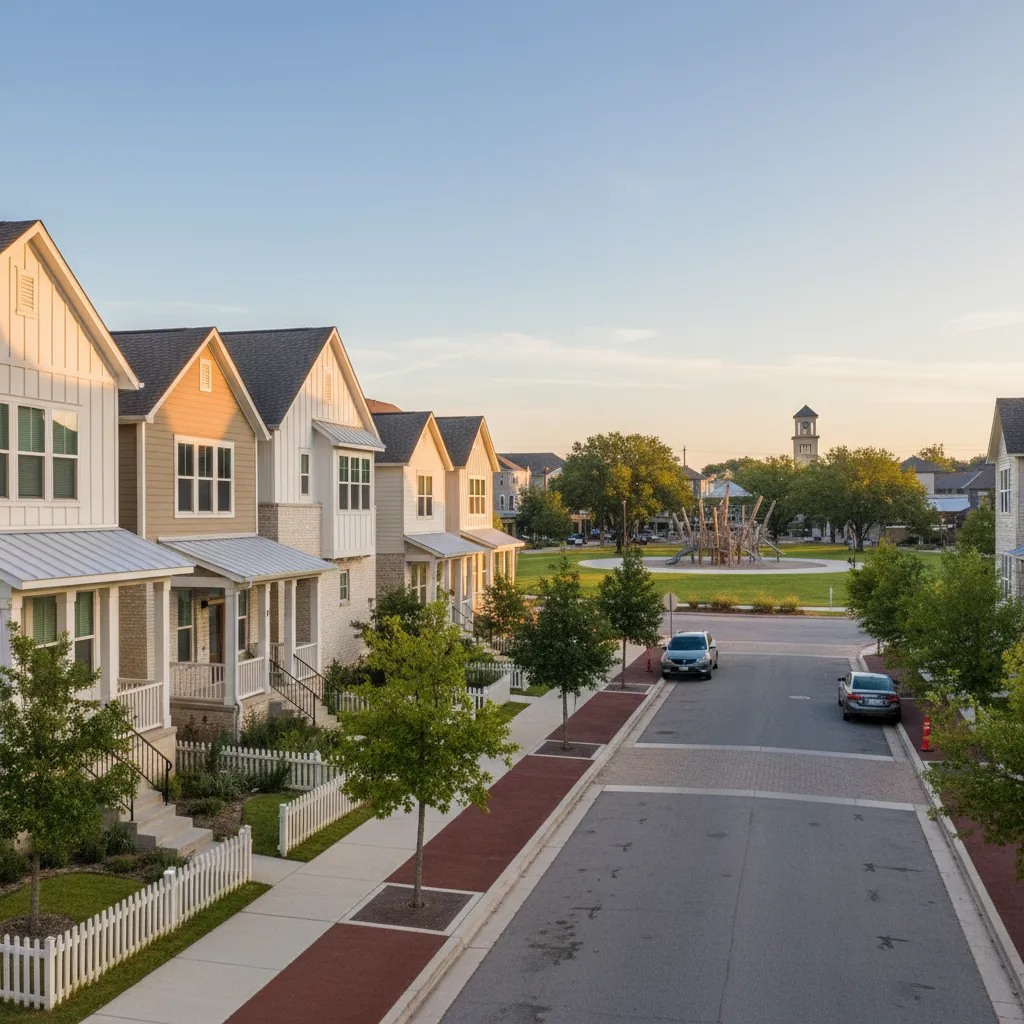
Mueller
$2,200
Rent/mo
70
Walk Score
63
Score
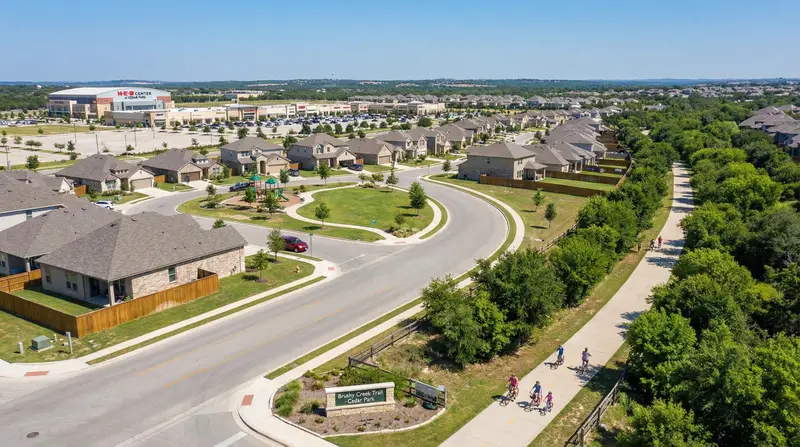
Cedar Park
$1,750
Rent/mo
30
Walk Score
62
Score
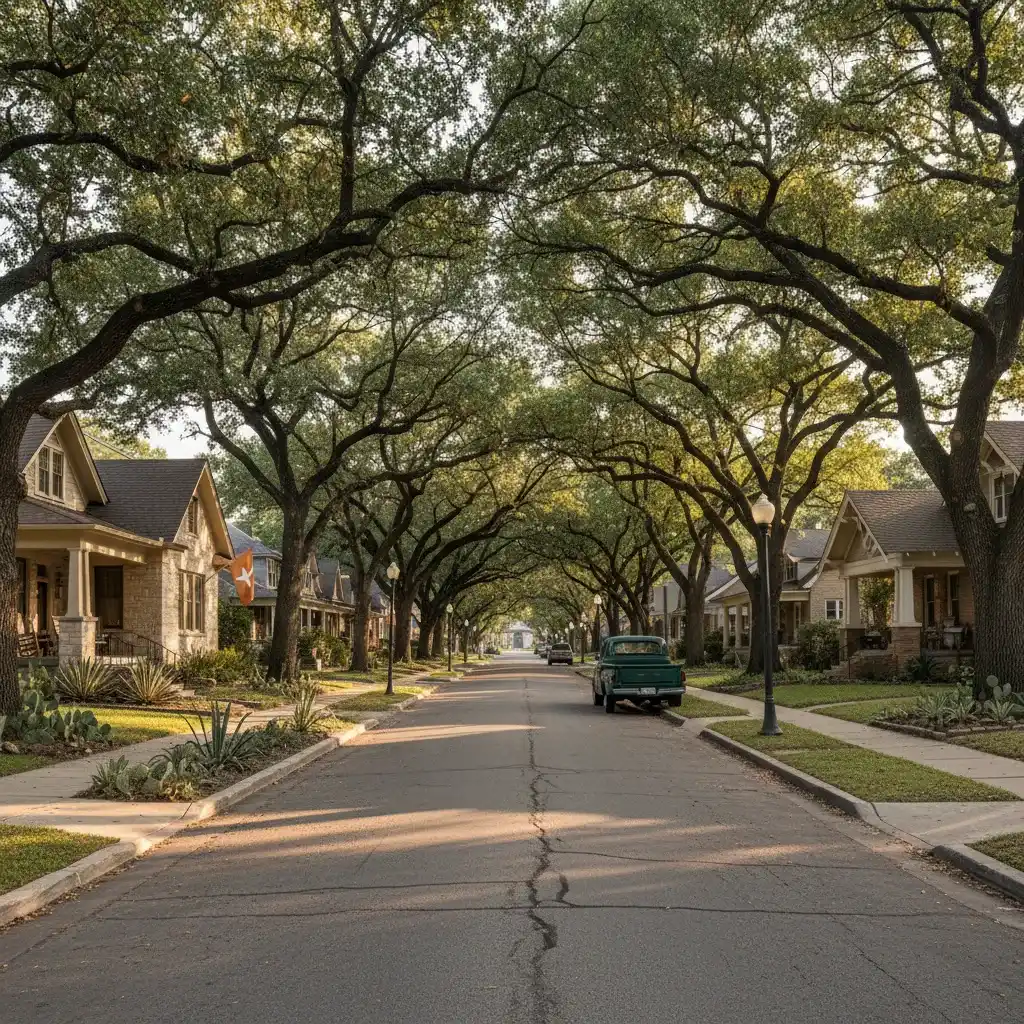
Hyde Park
$1,800
Rent/mo
75
Walk Score
62
Score
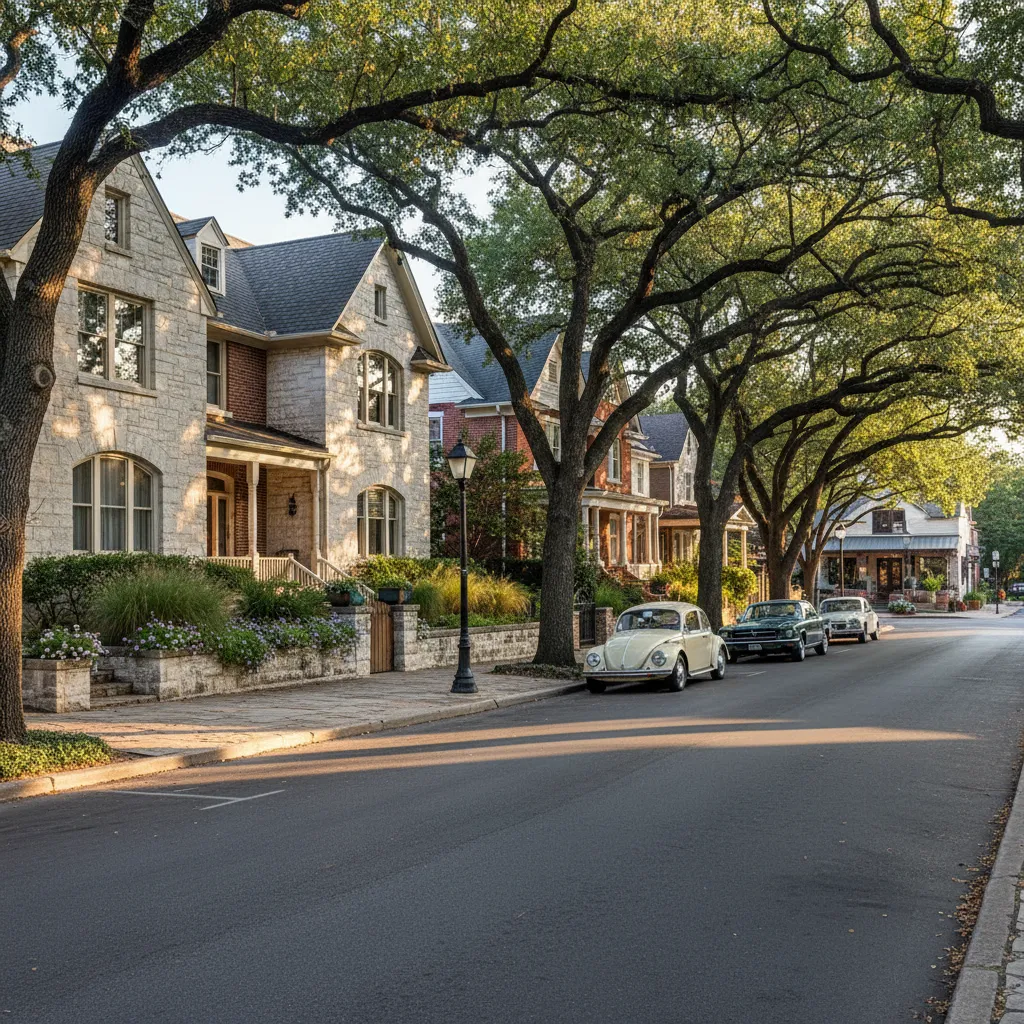
Clarksville
$2,700
Rent/mo
80
Walk Score
61
Score

North Loop
$1,750
Rent/mo
72
Walk Score
61
Score

South Congress
$2,400
Rent/mo
78
Walk Score
61
Score
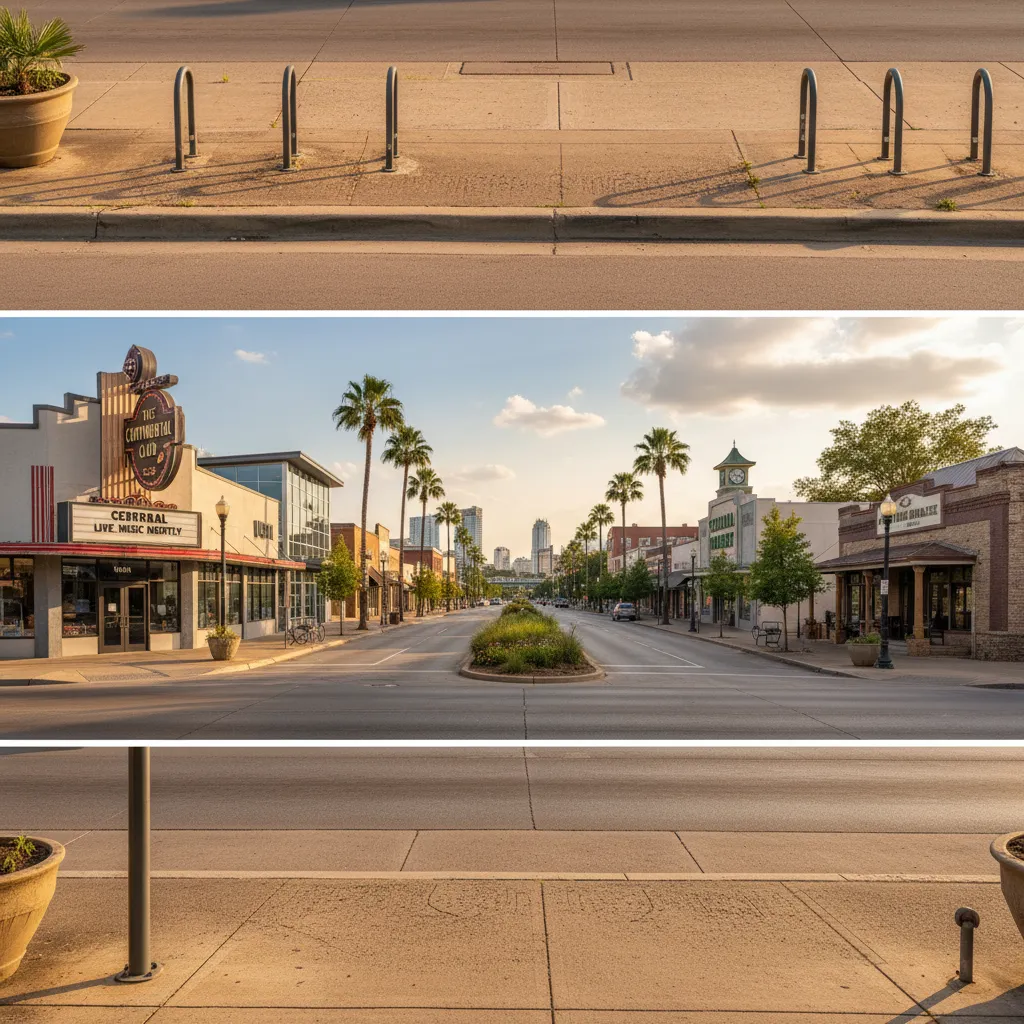
South Lamar
$2,100
Rent/mo
65
Walk Score
61
Score
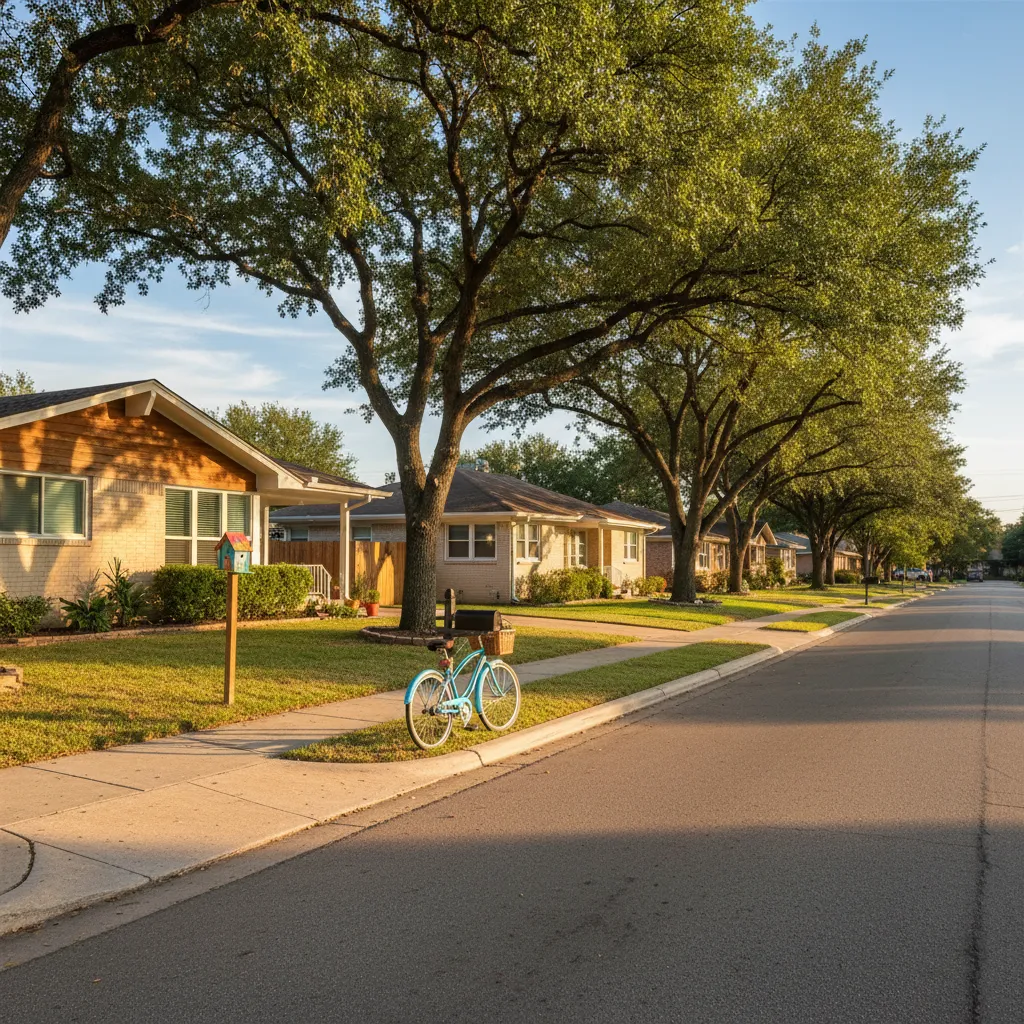
Brentwood
$1,900
Rent/mo
60
Walk Score
60
Score

East Austin
$1,950
Rent/mo
72
Walk Score
60
Score
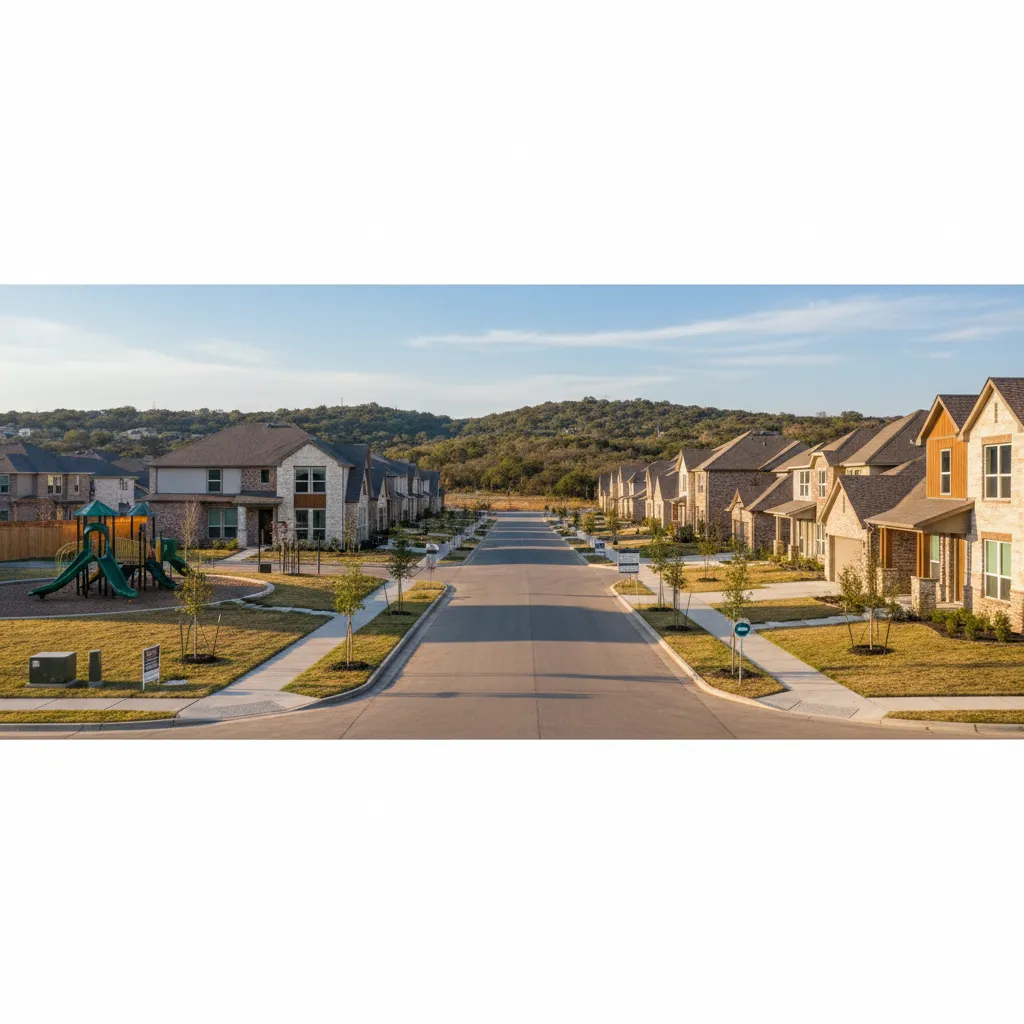
Leander
$1,550
Rent/mo
20
Walk Score
60
Score
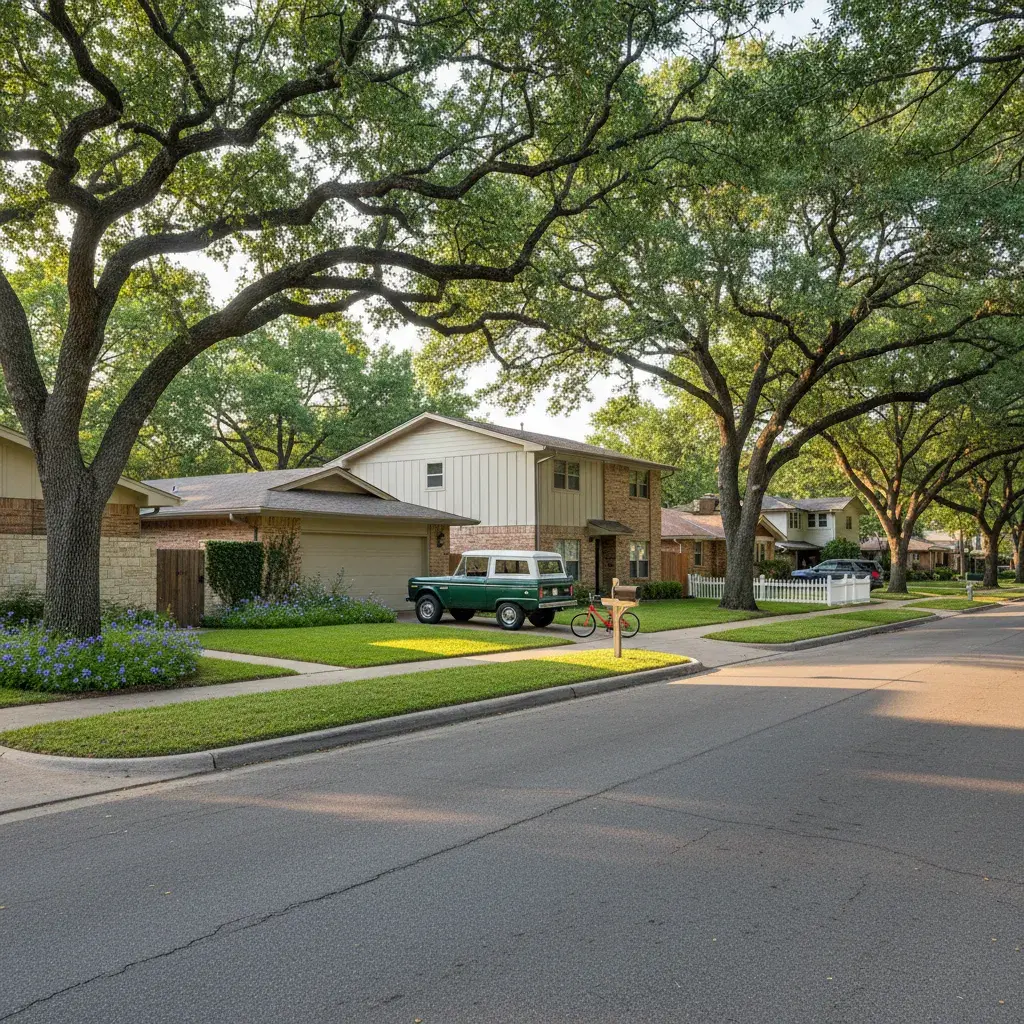
Allandale
$1,850
Rent/mo
55
Walk Score
59
Score

Zilker
$2,600
Rent/mo
65
Walk Score
59
Score

Georgetown
$1,700
Rent/mo
35
Walk Score
58
Score
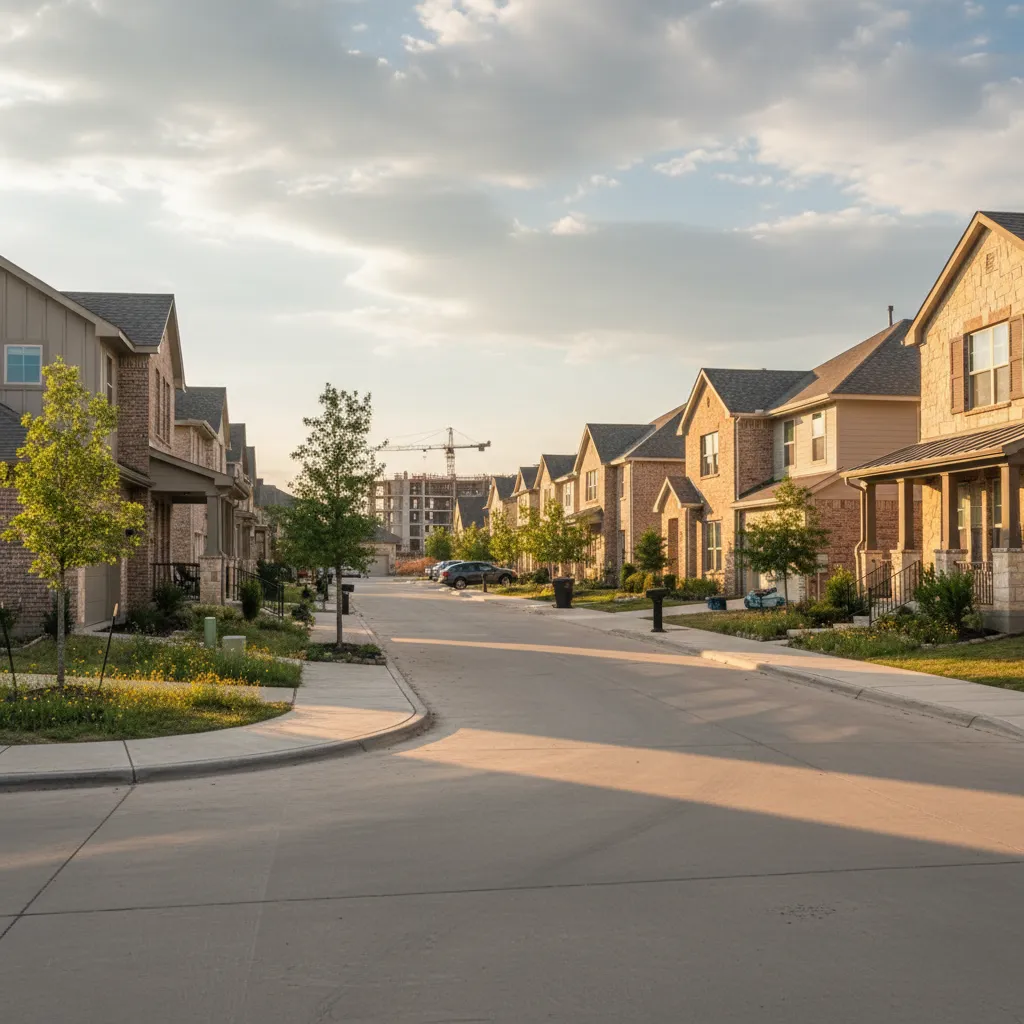
Pflugerville
$1,600
Rent/mo
22
Walk Score
58
Score
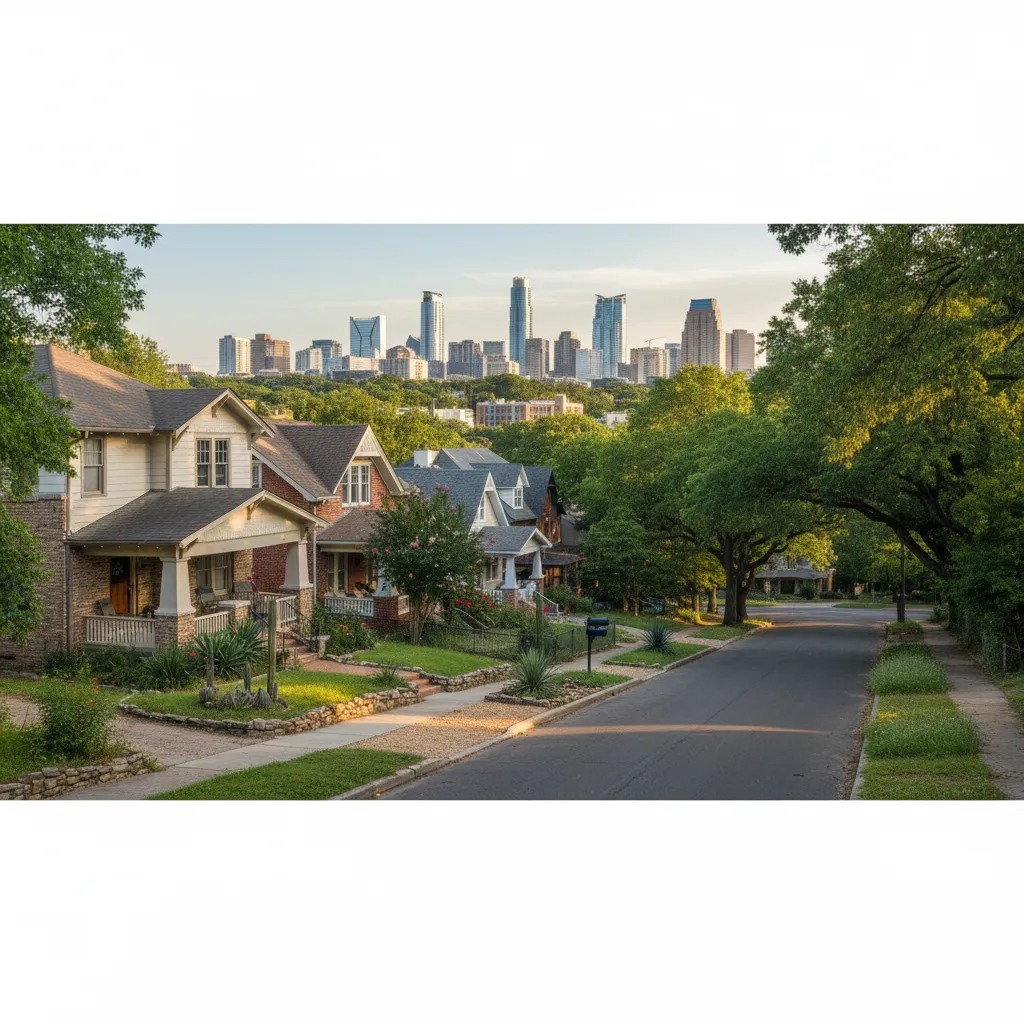
Travis Heights
$2,300
Rent/mo
68
Walk Score
58
Score
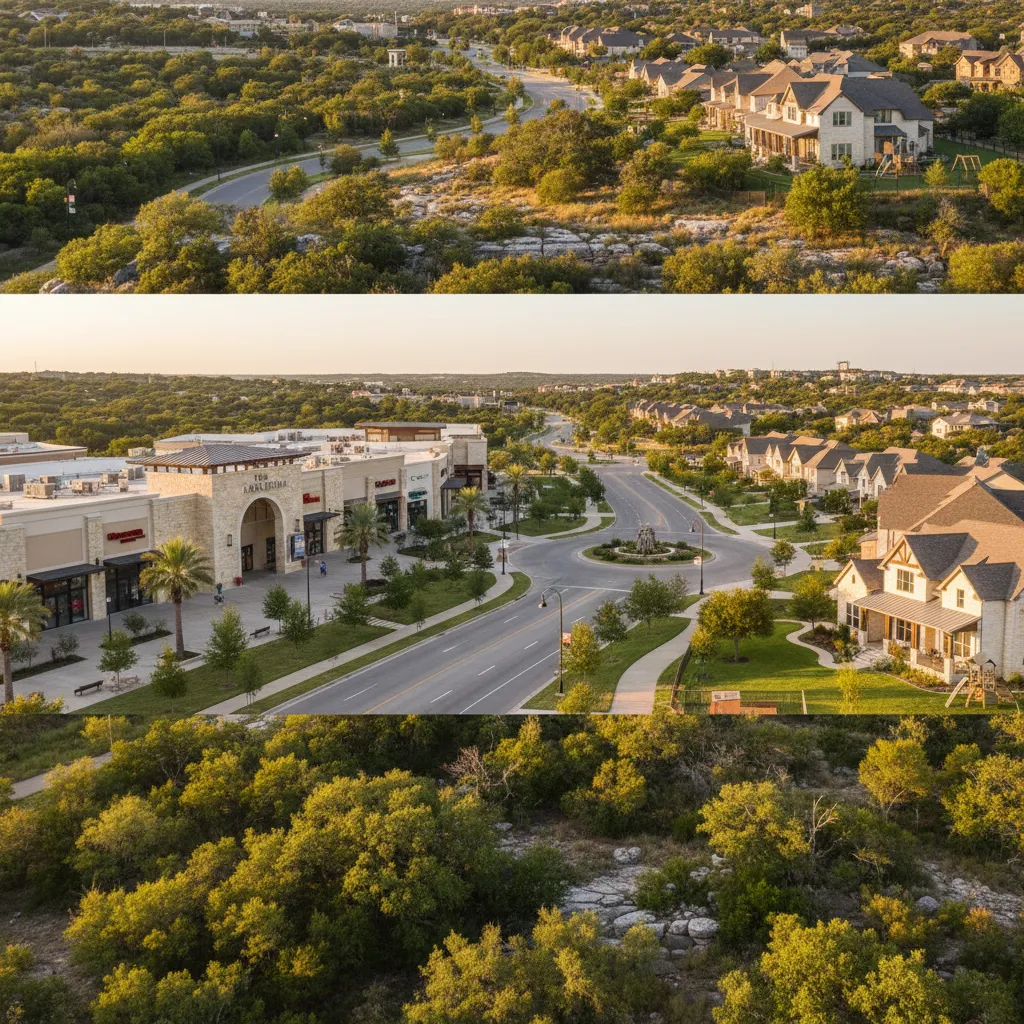
Bee Cave
$2,100
Rent/mo
25
Walk Score
54
Score
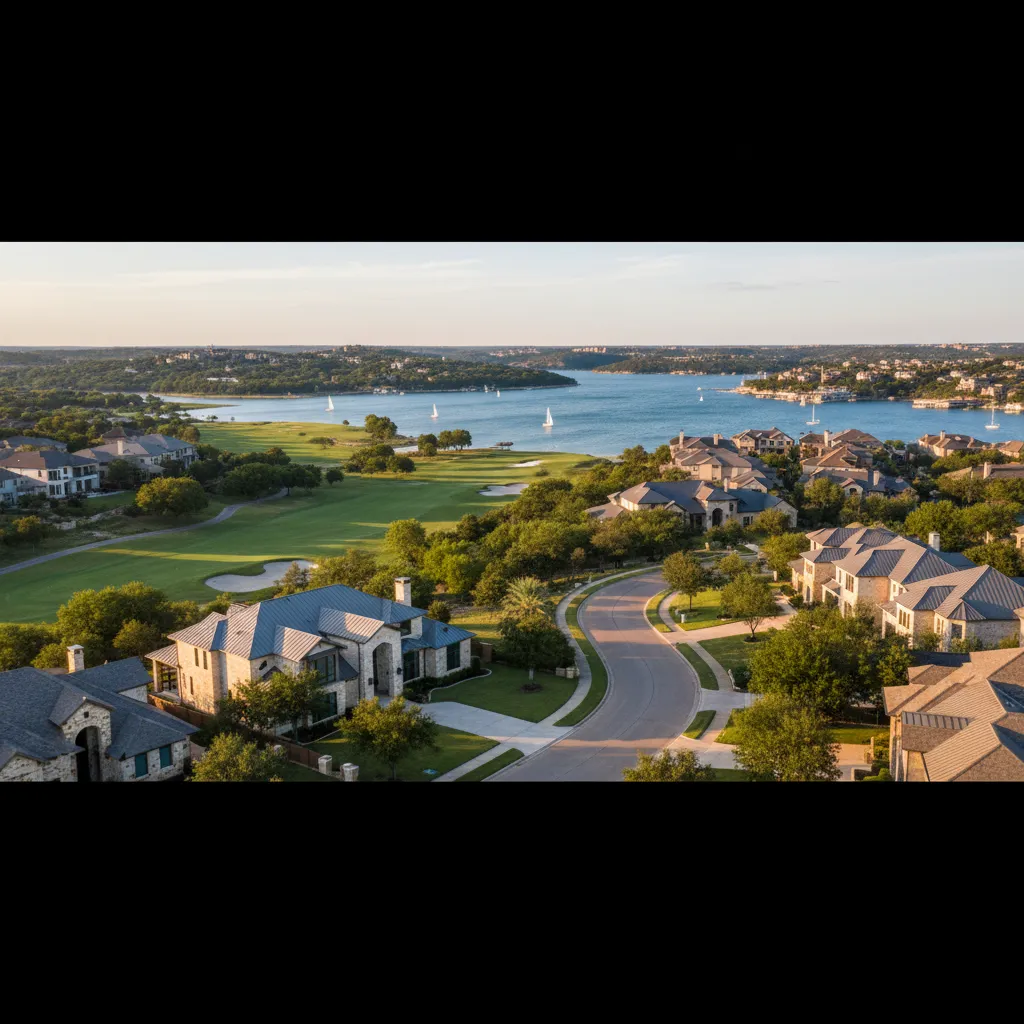
Lakeway
$2,200
Rent/mo
18
Walk Score
51
Score
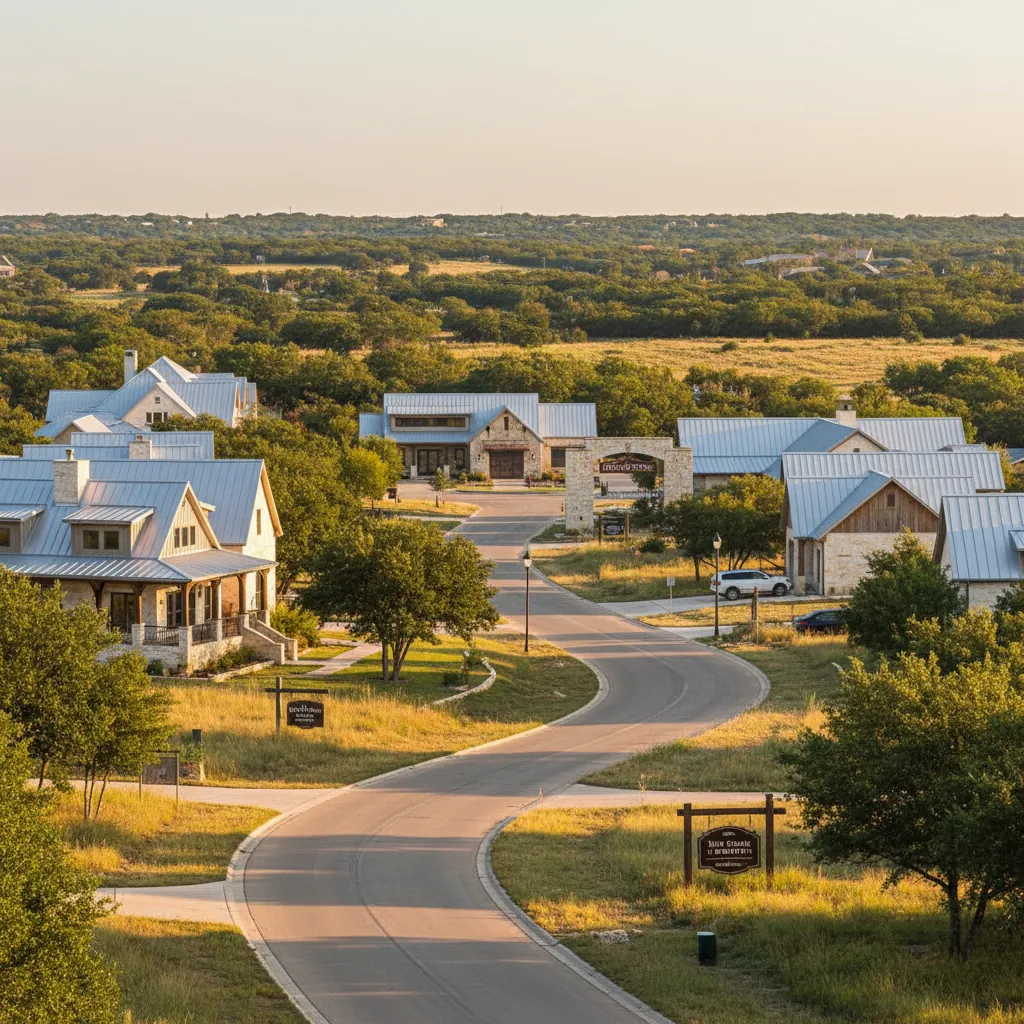
Dripping Springs
$2,000
Rent/mo
15
Walk Score
50
Score


Compare Neighborhoods
Compare Neighborhoods

Frequently Asked Questions
What is the most popular neighborhood in Austin for newcomers?
East Austin is the most popular landing spot for relocators thanks to its creative energy, food scene, and proximity to downtown tech employers. Other popular first-time picks include South Congress, Mueller, and Downtown Austin, depending on your lifestyle and budget.
How much does rent cost in Austin neighborhoods?
Across the neighborhoods profiled here, Austin rents run from about $1,550/mo in Leander and $1,600/mo in Pflugerville up to roughly $2,850/mo downtown and $2,700/mo in Clarksville. Metro-wide, RentCafe put the observed one-bedroom rent near $1,400/mo in May 2026, and rents have fallen year over year as a wave of new apartment supply came online.
What does a relocation score mean?
Our relocation score is an editorial rating, not a measurement. Our team scores each neighborhood from 0-100 on six dimensions: commute access, amenities, transit, schools, safety, and affordability. The headline number is the plain average of those six, with no weighting applied. Those dimension scores are our own judgment calls rather than figures pulled from a source dataset, so use the score as a consistent yardstick for comparing places on this site, and check the underlying rent, school, and commute data before you decide.
Which Austin neighborhoods are most walkable?
Downtown Austin, South Congress, and Hyde Park consistently rank highest for walkability with Walk Scores above 75. East Austin and the North Loop area also offer above-average walkability, especially by Texas standards.
How do I choose between renting in a neighborhood vs. a suburb?
Neighborhoods inside the city offer walkability, nightlife, and shorter commutes. Suburbs typically provide larger homes, better school ratings, and lower costs. Check our suburbs page for a direct comparison with city neighborhoods.
Can I compare multiple neighborhoods side by side?
Yes! Use the Compare Neighborhoods tool below the filter section. Select 2-3 neighborhoods to see a side-by-side breakdown of rent, home prices, walk scores, transit scores, and relocation scores.