Moving to Houston? This guide covers what newcomers actually need: which neighborhoods fit your job and budget, what living costs look like (median metro home price around $330,000 per HAR March 2026, citywide median one-bedroom rent $1,181 per RentCafe early 2026, with $1,200–$1,600 typical in popular neighborhoods), and the practical setup, from choosing an electricity plan on PowerToChoose.org to getting an HCTRA EZ TAG for the toll roads. The short version: there is no state income tax, the cost of living runs roughly 40% below New York, and 26 Fortune 500 companies are headquartered here. You will need a car, summers are extremely hot and humid, and you must check FEMA flood maps before signing a lease or buying a home. Below you will find detailed guides on food, nightlife, arts, sports, weather, and day trips, an outdoor recreation digest, neighborhood breakdowns by employment hub, and a month-by-month first-year timeline.

Houston City Guide
What it's actually like to live here. Guides written by locals, not tourists.
Explore Houston
Guides covering everything you need to know, written for newcomers, not tourists.
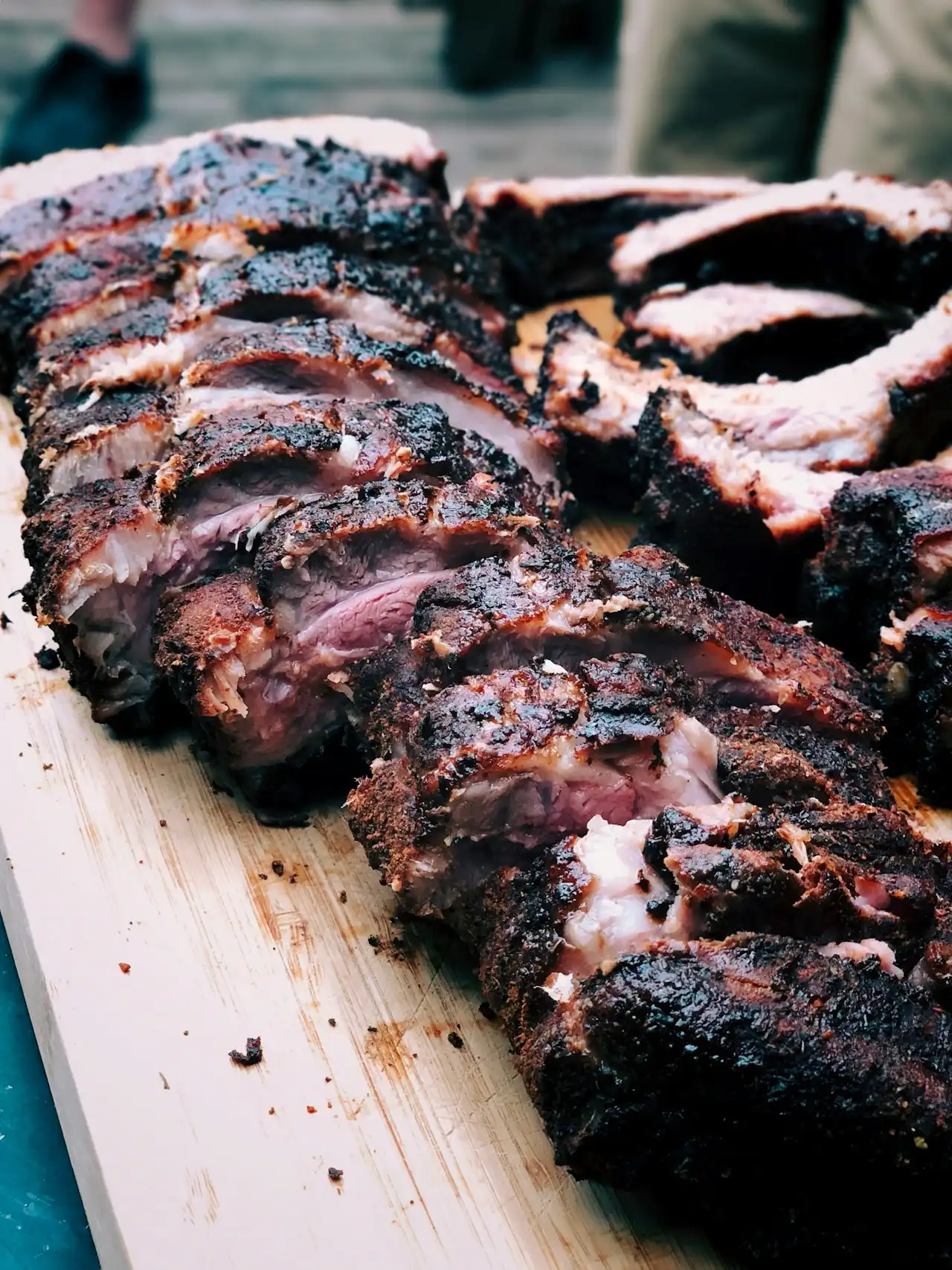
Food & Dining
Strip mall treasures, Viet-Cajun crawfish, BBQ rules, and where locals actually eat.
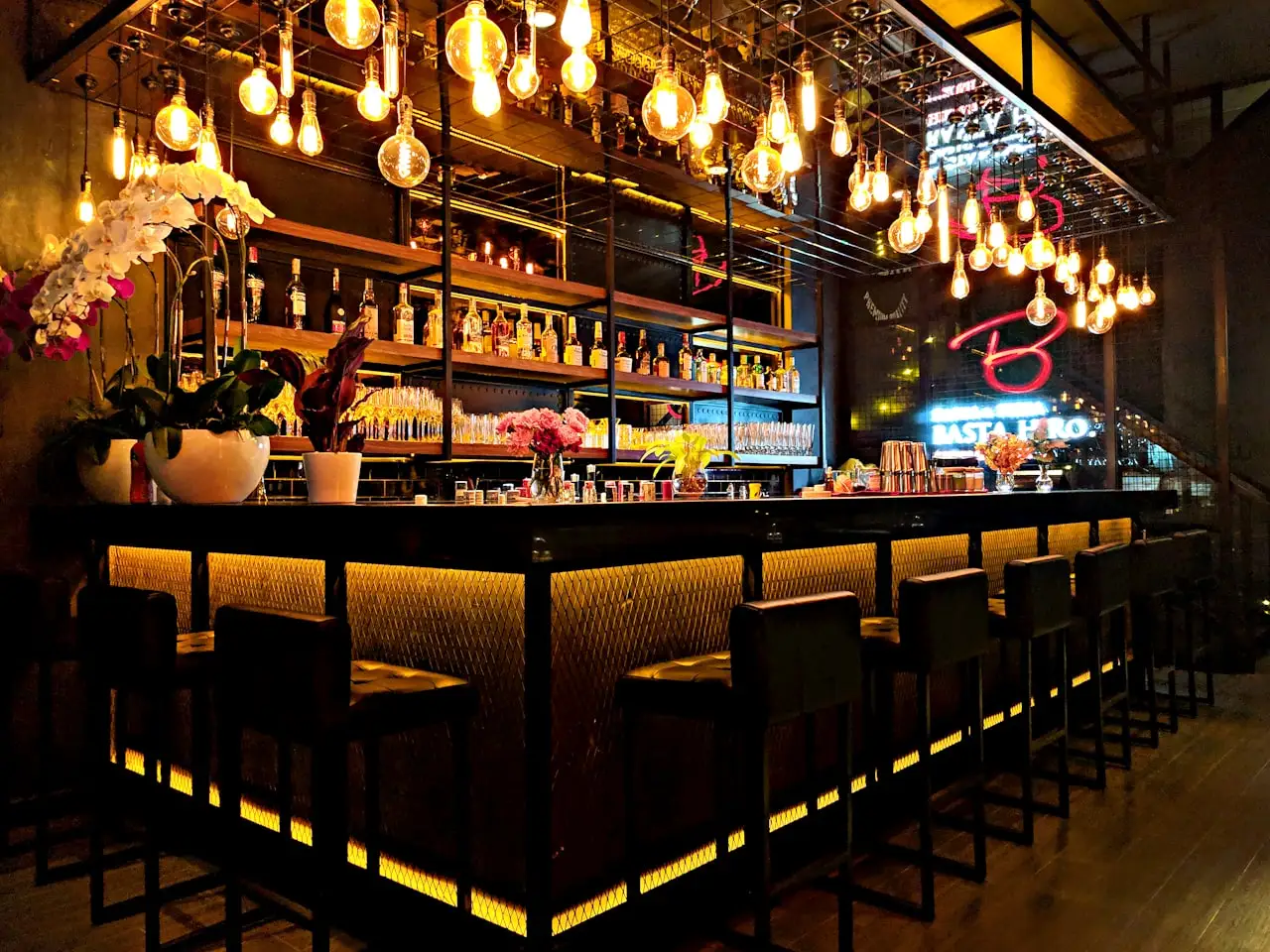
Nightlife & Bars
Montrose, Washington Ave, Midtown: every district has its own vibe.
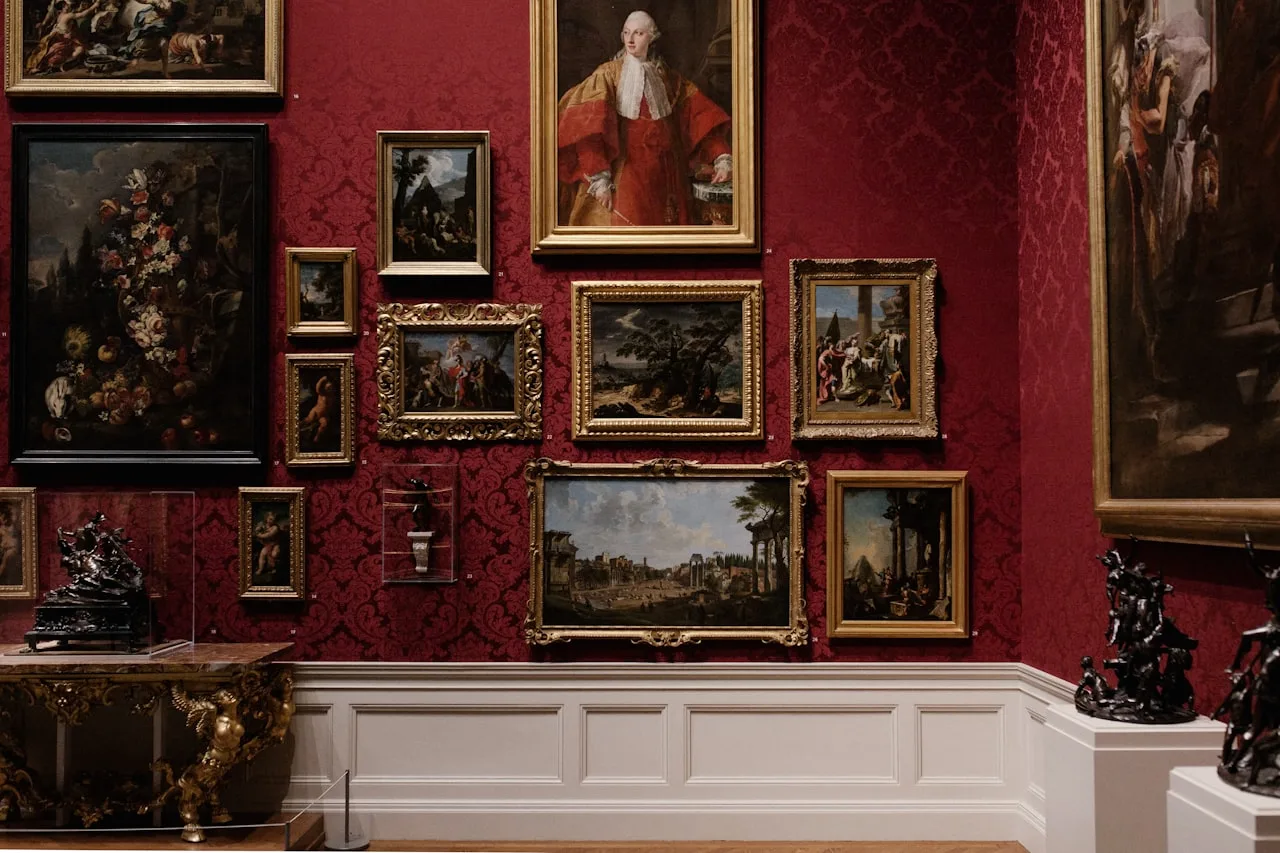
Arts & Culture
19 Museum District institutions, second-largest theater district, and free admission days.
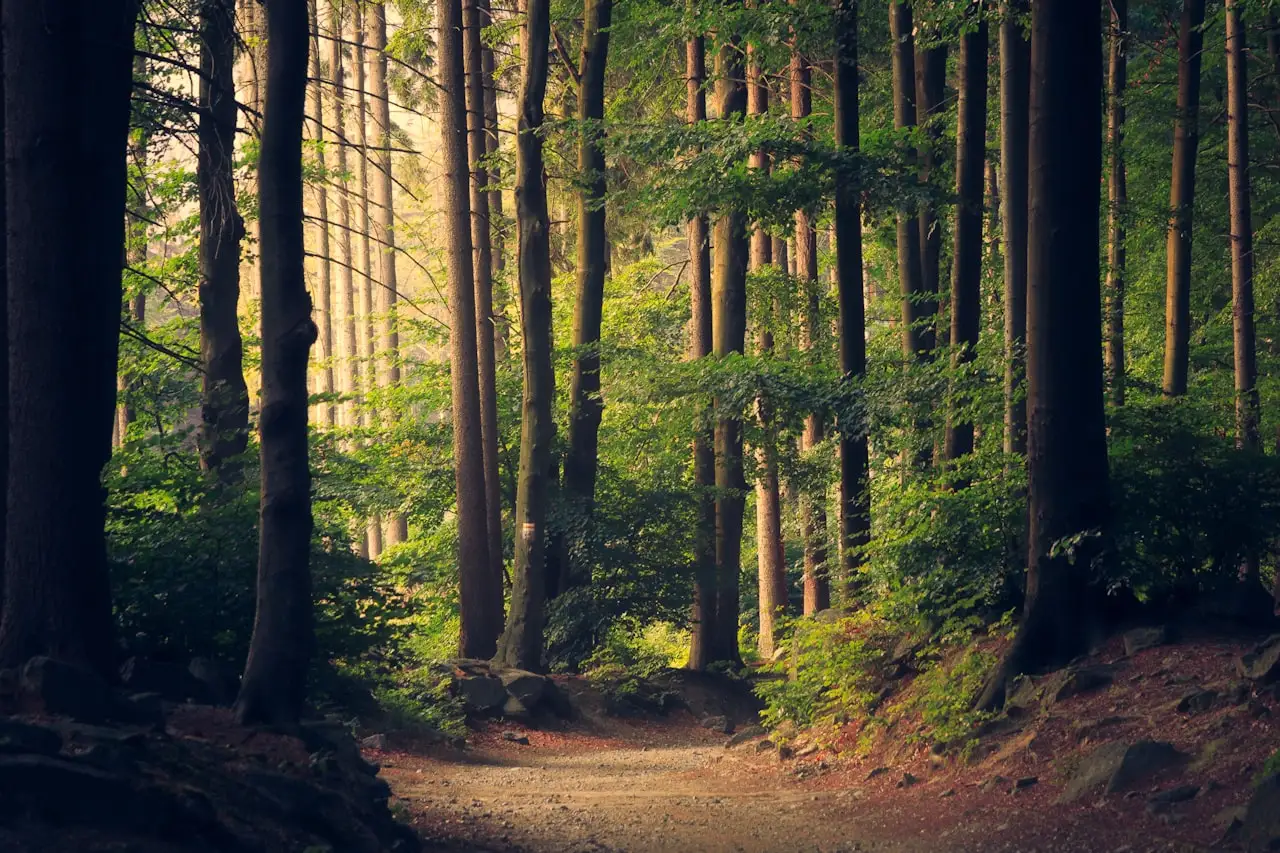
Outdoor Recreation
Buffalo Bayou, Memorial Park, 80+ miles of trails, plus how to survive the heat.

Pro Sports
Texans, Astros, Rockets, Dynamo, Dash: game day culture and ticket tips.
Shopping
The Galleria, HEB obsession, international markets, and first-apartment essentials.

Events & Festivals
The Rodeo is religion. Art Car Parade is chaos. And that is just the beginning.
Family & Kids
Space Center Houston, the zoo, splash pads, and why families thrive here.
Fitness & Wellness
Memorial Park loop, seasonal gym strategy, and finding your fitness community.

Hidden Gems
The spots that only residents know, from underground restaurants to secret parks.
Weather & Climate
The honest truth about humidity, hurricanes, flooding, and ERCOT.
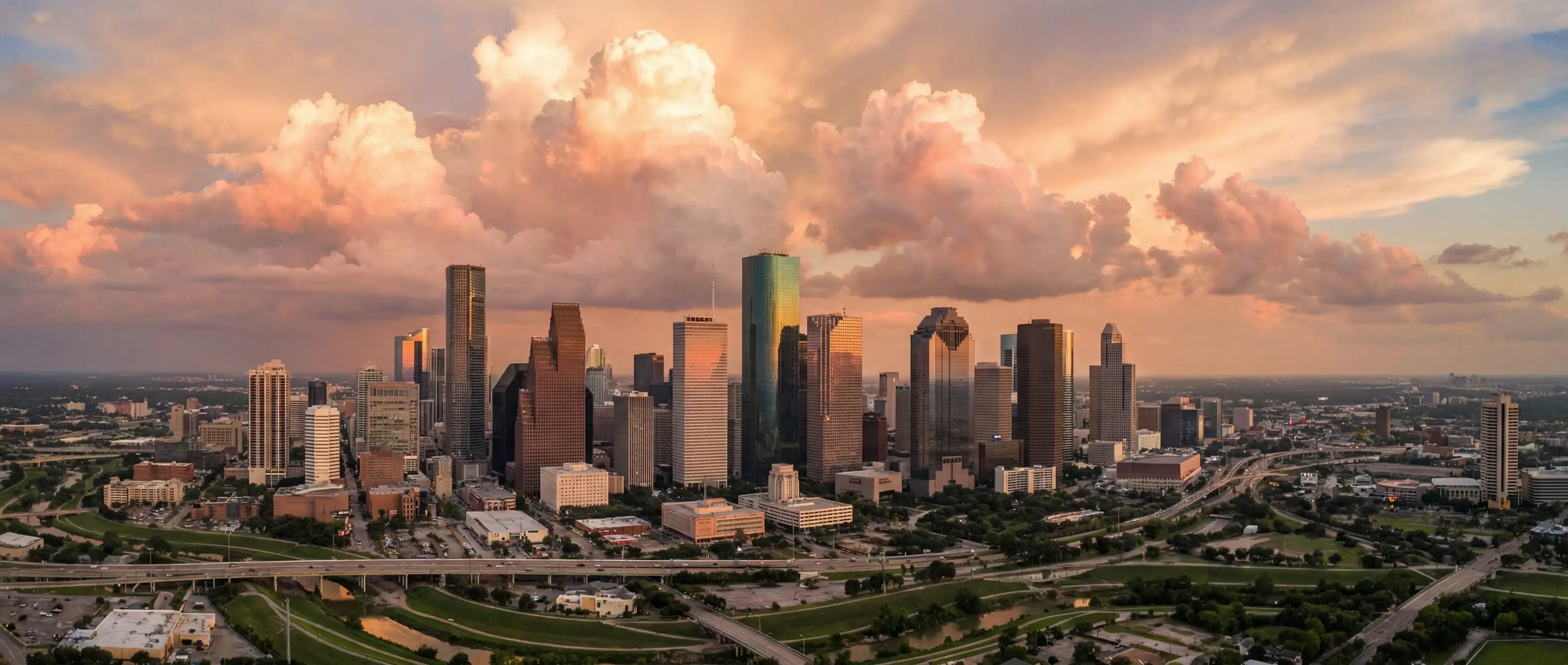
Live Weather Forecast
Current conditions, 7-day forecast, hourly data, live from the National Weather Service.
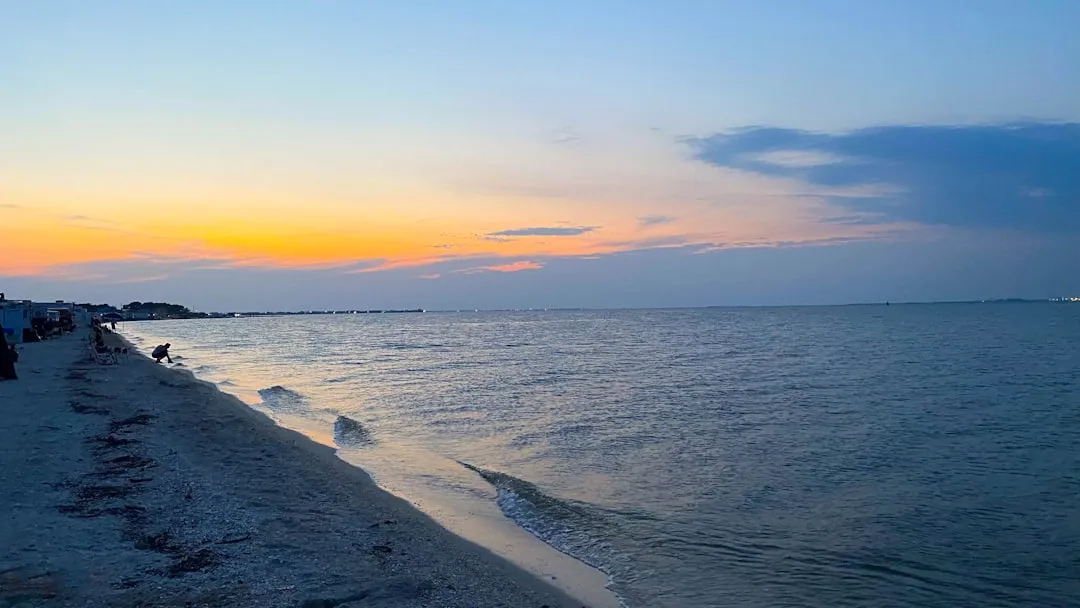
Day Trips
Galveston beaches, Hill Country wine, Buc-ee's runs, all within a tank of gas.
Newcomer Essentials
Toll tags, electricity setup, flood zones, and your first 90 days checklist.
Need a Place While You Explore Houston?
Houston Corporate Housing offers move-in ready furnished apartments across Greater Houston — perfect for newcomers settling in, corporate relocators, and anyone who needs a comfortable home base while they find their neighborhood.
Call (713) 955-2707 for availability
Sponsored: RelocateMeTX is affiliated with Houston Corporate Housing.
The Distance Trust Gap
When you are relocating to Houston from out of state, you cannot drive through neighborhoods on a Sunday afternoon. You cannot feel the August humidity. You cannot taste the Viet-Cajun crawfish at a strip mall on Bellaire Boulevard. You cannot see which streets flood after a heavy rain or know that the "nice area" your realtor recommended has a 45-minute commute during rush hour.
This guide exists to bridge that gap. Every section is written with a simple question in mind: what would I need to know if I could not physically visit before committing?
Houston is a city of contradictions. It is the fourth-largest city in America with no zoning laws, which means a Michelin-worthy restaurant sits next to an auto parts store in a strip mall. It is home to 26 Fortune 500 headquarters, the world's largest medical complex, and NASA's Mission Control — yet most of its best experiences are hidden in plain sight, invisible to anyone just passing through. It has 145+ languages spoken daily, 70+ distinct cuisines available, and a cultural diversity that genuinely surpasses New York City, but you would never know it from watching the national news.
Houston rewards the curious and punishes the passive. If you wait for the city to come to you, you will see only strip malls, concrete, and highways. If you go looking, you will find one of the most interesting, affordable, and opportunity-rich cities in America. Start with the Visit Houston guide for an overview.
Houston rewards the curious and punishes the passive. The city's best experiences are hidden in plain sight: in strip malls, behind bayous, and in neighborhoods tourists never visit.
The Houston Truth
What Surprises Newcomers
The Good Surprises
Things newcomers love
- No state income tax: take-home pay jumps 5–9% overnight
- The food diversity is genuinely world-class, not just marketing
- Housing is shockingly affordable compared to coastal cities
- People are friendlier than expected; "Texas nice" is real
- Career opportunities are abundant across energy, medical, tech, and aerospace
- The cultural diversity creates a richness that takes months to fully appreciate
The Hard Truths
Things newcomers struggle with
- Summer humidity is oppressive: June through September is survival mode
- You need a car. Period. Public transit is limited.
- Flooding is a real risk. Check FEMA maps before you sign anything
- The sprawl is disorienting. Houston is MASSIVE (640+ square miles).
- Property tax is high (roughly 2.0–2.1% in Houston, more with MUDs) to compensate for no income tax
- The aesthetics are industrial. Houston is not "pretty" in a conventional sense.
Houston by the Numbers
How Houston stacks up against the cities most relocators are coming from:
| Metric | Houston | NYC | Chicago | Los Angeles |
|---|---|---|---|---|
| Median Home Price | $330K | $750K | $340K | $950K |
| 1BR Rent (avg) | $1,400 | $3,500 | $1,800 | $2,600 |
| State Income Tax | 0% | 4–10.9% | 4.95% | 1–13.3% |
| Fortune 500 HQs | 26 | 62 | 30 | 12 |
| Ethnic Diversity Index | #1 | #2 | #4 | #3 |
| Avg Commute (min) | 30 | 41 | 35 | 33 |
call Houston home, more than Los Angeles and all but two other U.S. cities
Neighborhoods at a Glance
Houston's geography is divided by two key loops: the Inner Loop (I-610) and the Outer Loop (Beltway 8 / Sam Houston Tollway). Inside the Inner Loop, neighborhoods like Montrose, Midtown, The Heights, and the Museum District offer walkability and urban culture. Between the loops, areas like the Galleria-Uptown, Memorial, and Bellaire balance suburban convenience with city access. Beyond the Outer Loop, master-planned suburbs like Katy, Sugar Land, The Woodlands, and Pearland offer family-friendly living with excellent schools.
Houston also has three major employment hubs that shape where people live:
Texas Medical Center
120K+ employees
World's largest medical complex. Best nearby: Museum District, Montrose, West U.
Learn more → ⚡ EnergyEnergy Corridor
94K employees
300+ companies along I-10 West. Best nearby: Memorial, Katy, Cypress.
Learn more → 🚀 SpaceNASA Johnson Space Center
Aerospace hub
Astronaut training, Mission Control, Artemis program. Best nearby: Clear Lake, League City.
Learn more →Explore Houston Areas
Traveling to Houston for Medical Treatment?
The Texas Medical Center treats over 10 million patients per year. If you're coming to Houston for treatment at MD Anderson, Houston Methodist, Texas Children's, or any TMC hospital, we have a dedicated guide covering free housing programs, medical-rate hotels, and furnished apartments.
View Houston Medical Lodging Guide →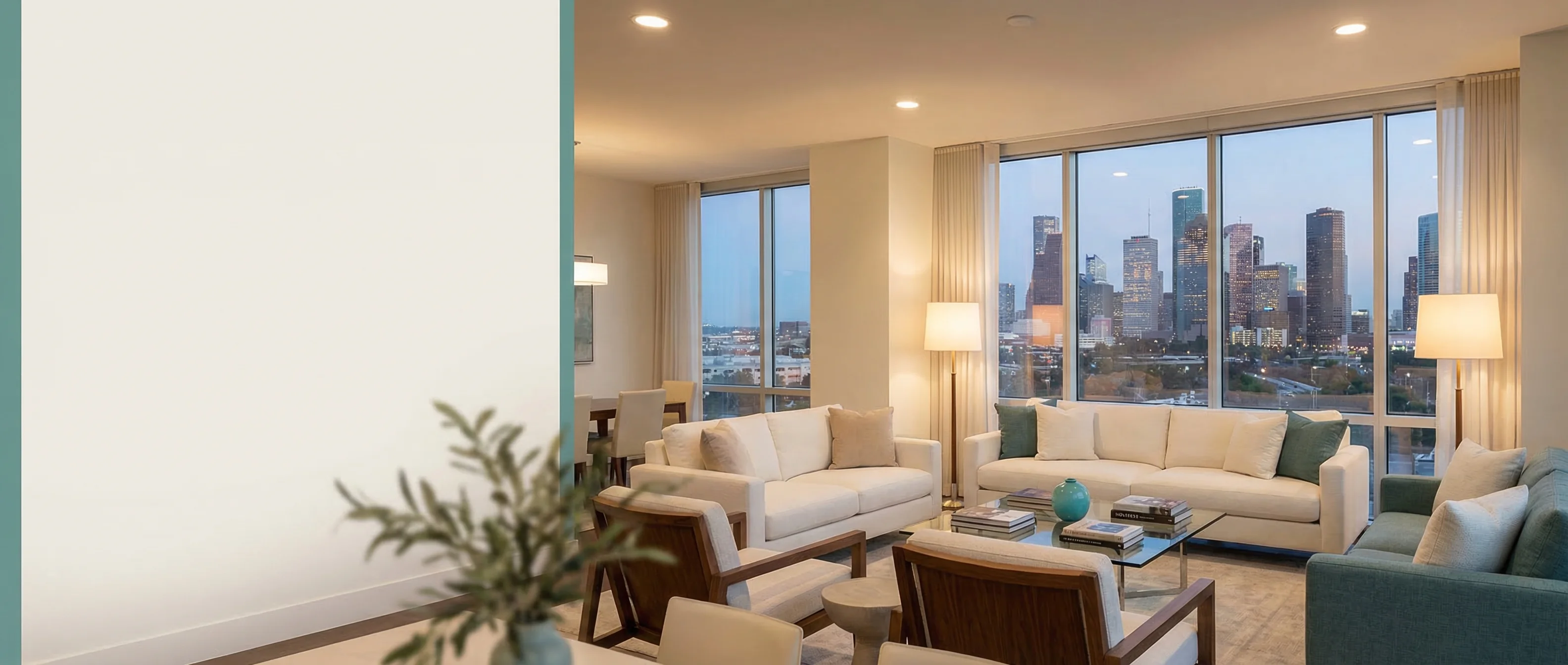
Your Houston Home
Is Ready & Waiting
Move-in ready furnished apartments across Greater Houston. All bills paid, flexible leases, premium locations near every major employment hub.
Outdoor Recreation in Houston
Houston is flat, hot, and humid, and it does not look like an outdoor recreation city at first glance. But it has over 56,000 acres of public parkland and a connected bayou trail network that already spans 80+ miles of hike-and-bike paths, with plans to reach 150+ miles. Outdoor life here runs on a two-season rhythm: October through April is the outdoor season, with temperatures from the mid-40s to the low 80s and minimal mosquitoes. June through September requires strategy, since heat index values above 110°F are common; locals run, walk, and cycle before 8 AM or after 7 PM, move workouts indoors, or shift to water activities. Five parks anchor the system:
| Park | Size | Known For | Location |
|---|---|---|---|
| Memorial Park | 1,500 acres | 30+ miles of trails, the 3-mile crushed-granite Loop (Houston's most popular running route), Eastern Glades wetlands, mountain bike singletrack, Tom Doak-redesigned golf course | Along I-10, between downtown and the Energy Corridor |
| Buffalo Bayou Park | 160 acres | 2.3-mile trail stretch, kayak launches, Johnny Steele Dog Park, public art, downtown skyline views | Shepherd Dr to Sabine St, west of downtown |
| Hermann Park | 445 acres | Houston Zoo, Japanese Garden, McGovern Centennial Gardens, Miller Outdoor Theatre; METRORail-connected | Museum District |
| Discovery Green | 12 acres | Downtown lake, free concerts, yoga classes, seasonal ice skating | Downtown |
| Brazos Bend State Park | 5,000 acres | Alligator-inhabited lakes, 37 miles of trails, camping, the George Observatory | 45 min southwest of downtown |
The Bayou Trail Network
The bayou trails are the defining feature of Houston's outdoor infrastructure. The core Buffalo Bayou Trail runs 7+ paved, lighted miles from Shepherd Drive past downtown to the East End. The White Oak Bayou Trail (about 17 miles) connects the Heights to downtown and links to the 5-mile MKT Trail, a former railroad corridor. The Brays Bayou Trail (30+ miles) runs from the Texas Medical Center east through Meyerland, connecting to Hermann Park. The Spring Creek Greenway adds 12 forested, natural-surface miles in north Harris County. Note that flooding after heavy rain can close trails and parks for days.
Water, Beach, and Wildlife
Kayak and paddleboard rentals operate on Buffalo Bayou; the most popular route runs roughly 7 miles from Shepherd Drive to Allen's Landing, the historic founding site of Houston. Galveston Bay offers saltwater kayaking through coastal marshes plus productive fishing for redfish, speckled trout, and flounder; pier fishing along the Galveston Seawall is free with an $11 resident Texas license. Galveston Island itself, about 50 miles southeast (roughly a 1-hour drive), has 32 miles of warm but murky Gulf beaches and a small surf scene with typical 1–3 foot waves, best in late summer and fall. For birders, High Island east of Houston is a world-class spring migration site (March–May), and the Coastal Prairie Conservancy protects 25,000+ acres of the Katy Prairie west of town. One caution: alligators inhabit virtually every bayou, pond, and retention basin in the region, so keep at least 30 feet of distance and leash pets near any water.
Running, Cycling, and Golf Communities
Joining an outdoor group is one of the fastest ways to build a social network here. The Kenyan Way trains in Memorial Park three mornings a week; Houston Running Company and Luke's Locker host free weekly group runs; November Project runs free early-morning bootcamps; and the Houston Marathon draws 27,000+ participants each January. Cyclists have the Thursday Night Social Ride, Critical Mass on the last Friday of each month, and training roads around Terry Hershey Park. Golfers get 150+ metro courses, from $20–$40 municipal rounds to the Tom Doak-redesigned Memorial Park Golf Course ($45–$85 green fees), which has hosted the PGA Tour's Houston Open since 2020. For seasonal detail, see the Weather & Climate section and the Fitness & Wellness section below.
Houston essentials, condensed
The rest of the city, distilled: the names, numbers, and dates newcomers ask about most, drawn from our full topic research. Food deserves more than a digest, so the Food & Dining guide remains a full standalone page.
Nightlife & Bars
Houston spreads its nightlife across districts instead of one strip: Washington Avenue packs 25+ mainstream bars into a one-mile stretch, Montrose mixes dives like Poison Girl with cocktail pioneers like Anvil Bar & Refuge, Midtown draws the weekday happy-hour crowd, EaDo leans live music, and the Heights does quieter craft beer and cocktails. Start with an icehouse — West Alabama Ice House has anchored open-air drinking since 1928, with Axelrad and Moon Tower Inn close behind. The BYOB restaurant culture along Bellaire Boulevard and Hillcroft Avenue saves serious money, craft cocktails run $12 to $16, and last call is 2 AM.
Arts & Culture
The Museum District packs 19 institutions into a 1.5-mile radius, and much of it is free: the Menil Collection (roughly 17,000 works), the Rothko Chapel, and the Contemporary Arts Museum Houston charge nothing, while the Museum of Fine Arts, Houston waives general admission on Thursdays. Downtown's 17-block Theater District is second only to Broadway in concentration of theater seats, home to the Houston Grand Opera and Houston Ballet at the Wortham, the Houston Symphony at Jones Hall, and the Alley Theatre. Miller Outdoor Theatre in Hermann Park adds 80+ free professional performances a year.
Pro Sports
Houston fields five professional teams: the Texans at NRG Stadium (72,220 seats), the Astros at Daikin Park (41,168, with World Series titles in 2017 and 2022), the Rockets at Toyota Center (about 18,000), and the Dynamo and Dash sharing Shell Energy Stadium (22,039) in EaDo. Astros tickets are the entry point, starting around $15 on weeknights, while Texans tailgating in the NRG lots opens five hours before kickoff and is a culture unto itself. The University of Houston Cougars add Big 12 football and elite basketball at budget prices, and NRG Stadium hosts 2026 FIFA World Cup matches.
Shopping
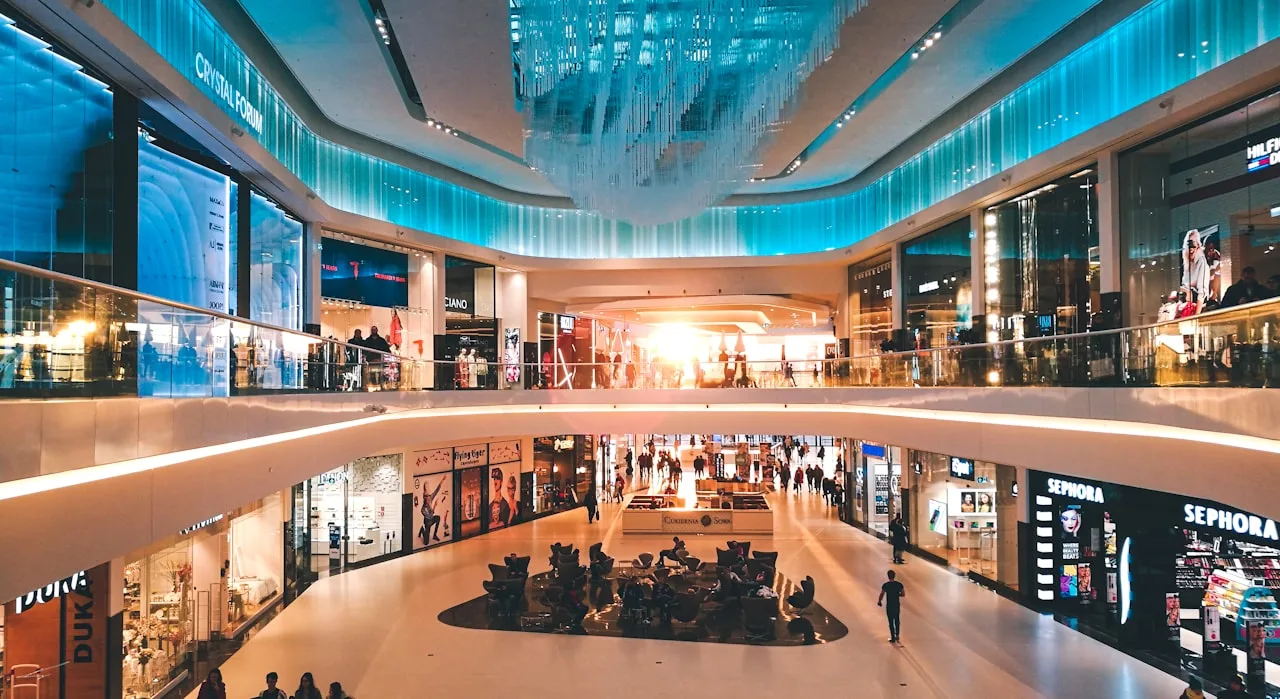
The Galleria is the largest mall in Texas, with 400+ stores across 2.4 million square feet, while Rice Village and 19th Street in the Heights supply Houston's rare walkable browsing. The distinctive layer is groceries: HEB is the essential first errand, and the international markets (99 Ranch and H Mart on Blalock, Hong Kong City Mall on Bellaire, Phoenicia for Mediterranean, Fiesta for Latin American) price produce and pantry staples 30 to 50% below mainstream stores. Downtown workers get a six-mile underground tunnel system of weekday shops and lunch counters. Texas charges 8.25% sales tax on most goods, but groceries are exempt.
Events & Festivals
The Houston Livestock Show and Rodeo, the world's largest, takes over NRG Park for roughly three weeks from late February into March, drawing over 2.5 million visitors with nightly stadium concerts, a championship BBQ cookoff, and a massive carnival. April brings the Art Car Parade (second Saturday, 250+ rolling sculptures, free viewing along Allen Parkway), May brings Houston Greek Fest and Comicpalooza, and June brings a Houston Pride celebration that draws 700,000+ downtown. Later in the year come the Bayou City Art Festival (October, plus a March edition), the Nutcracker Market in November, and Zoo Lights with over two million LED lights from mid-November through mid-January.
Family & Kids
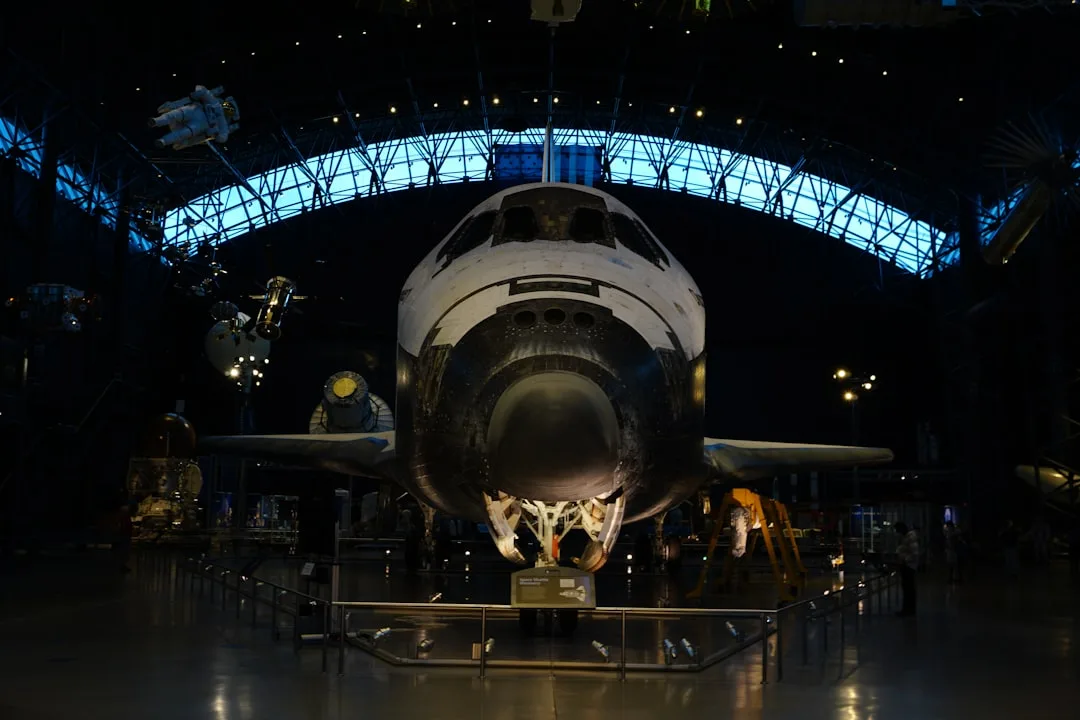
Houston's family lineup is anchored by Space Center Houston at NASA's Johnson Space Center, the Houston Zoo (6,000+ animals across 55 acres of Hermann Park), the Houston Museum of Natural Science, and the Children's Museum Houston, regularly ranked among the best in the country, with free family nights on Thursdays from 5 to 8 PM. Free neighborhood splash pads keep kids cool from Memorial Day through Labor Day. For schools, families cluster in Katy (Katy ISD, median homes around $415K), Sugar Land (Fort Bend ISD), The Woodlands, and Pearland, because Texas school assignment follows your home address.
Fitness & Wellness
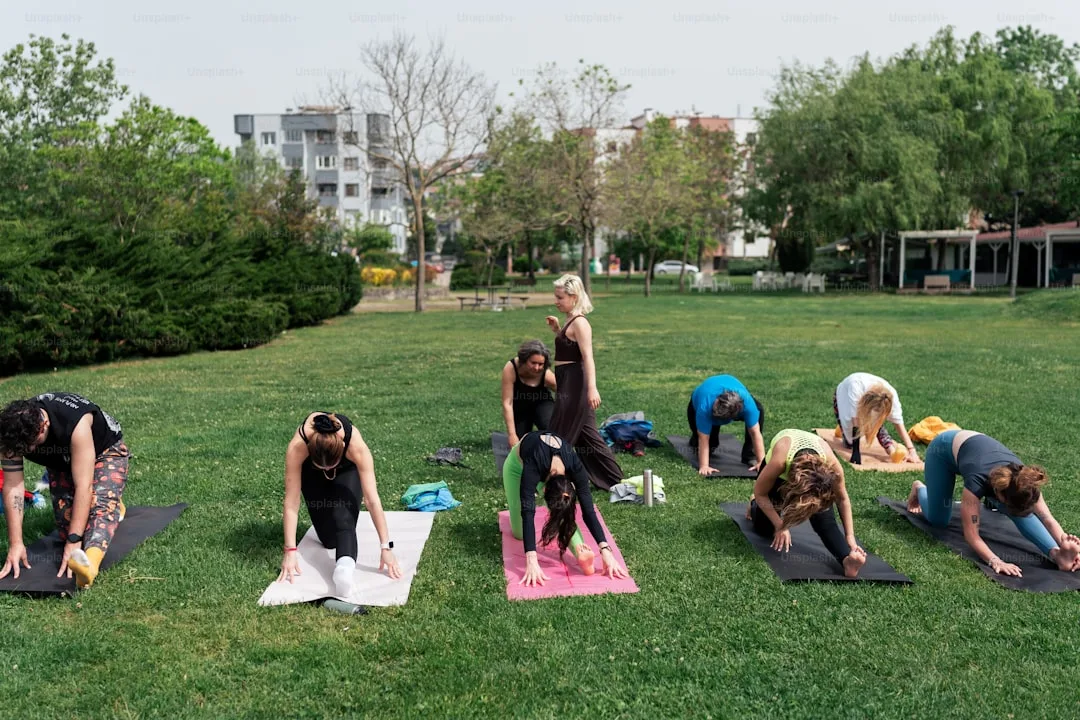
Houston fitness runs on a two-season strategy: outdoor training from October through April, air-conditioned gym life from May through September. The Memorial Park 3-mile crushed-granite loop is the city's most popular running route, backed by the 5-mile paved Buffalo Bayou Park trail and the long, shaded Terry Hershey Trail in west Houston. Free groups make it social (the Kenyan Way, Fleet Feet and Lululemon run clubs, November Project's early-morning workouts), and the Houston Marathon each January anchors the training calendar. Gym options span $10 to $25 Planet Fitness memberships up to premium clubs like Life Time and Equinox in the $170 to $250 range.
Hidden Gems
The signature oddities are real places: the Beer Can House in Rice Military (a bungalow covered in 50,000+ flattened cans), the Orange Show Monument folk-art maze in the East End, and the Cistern at Buffalo Bayou Park, a 1926 underground reservoir turned art space ($10, book ahead). The food finds live in strip malls and gravel lots: Himalaya on Hillcroft for Pakistani-Indian, Crawfish & Noodles on Bellaire for Viet-Cajun crawfish, and $2 to $3 late-night tacos along Long Point Road and Airline Drive. For quiet, the free Mercer Botanic Gardens in Spring and the 2,500-acre Armand Bayou Nature Center in Clear Lake rarely draw crowds.
Weather & Climate
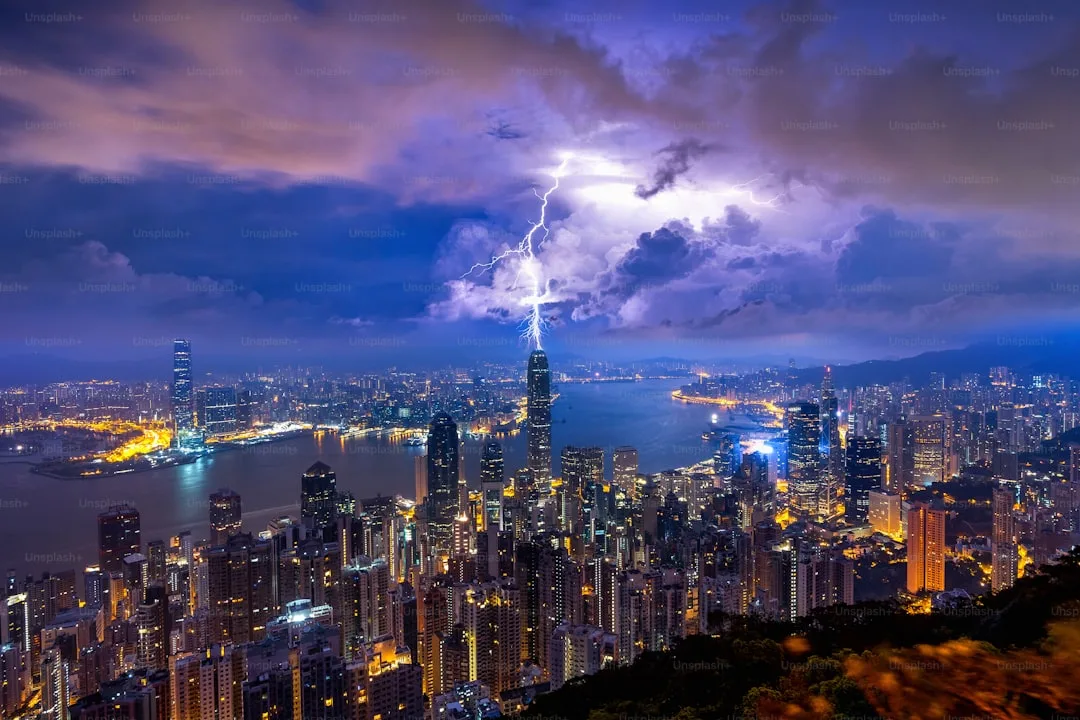
Summer highs run 95 to 102°F, but humidity of 70 to 90% is the real story, pushing heat indices past 110°F from June through September. Hurricane season runs June 1 through November 30, with peak activity in August and September; Hurricane Harvey (2017) dropped more than 60 inches of rain in some areas and flooded thousands of homes outside FEMA-designated flood zones. The city averages 50+ inches of rain a year, so check FEMA flood maps and the Harris County Flood Control District's Harvey inundation data before signing any lease. The reward is October through April: seven months of genuinely pleasant weather, with October the consensus best month.
Day Trips
Galveston's beaches and Strand Historic District sit 50 minutes down I-45, and Brazos Bend State Park (45 minutes southwest) offers near-guaranteed alligator sightings plus Saturday stargazing at the George Observatory. In spring, the Highway 290 corridor to Brenham delivers Blue Bell Creamery tours and peak bluebonnets from late March through mid-April. Farther out, Fredericksburg (about 4 hours) anchors the Hill Country with 50+ wineries and the National Museum of the Pacific War, while Austin (2.5 hours) and San Antonio (3 hours) work best as overnight trips. Stopping at a Buc-ee's along the way is a Texas ritual, not an option.
Newcomer Essentials
Texas gives you 90 days to get a driver's license (book the DPS appointment immediately; slots run 2 to 6 weeks out) and 30 days to register your vehicle, which in Harris County requires an emissions test of roughly $25. Pick a fixed-rate electricity plan of 12 to 24 months on PowerToChoose.org, typically 14 to 16 cents per kWh all-in, and set up an HCTRA EZ TAG before your first commute. Get flood insurance even outside mapped zones: standard policies never cover flood damage, NFIP coverage carries a 30-day waiting period, and low-risk-zone policies run $400 to $1,200 a year. Save 311 for city services.
Your First Year in Houston
Here is what the first year looks like for most newcomers, based on what residents consistently report:
-
Month 1: Survive & Settle
Set up electricity (PowerToChoose.org), get an HCTRA EZ TAG for toll roads, find your grocery store (HEB is life), and learn your commute. Everything feels overwhelming; this is normal.
-
Month 2–3: Explore Your Radius
Start exploring your neighborhood and adjacent ones. Try the food within a 15-minute radius. Find your coffee shop, your gym, your go-to restaurant. Houston rewards local exploration.
-
Month 4–6: Find Your Community
Join a running group, a CrossFit box, a church, a volunteer org, or a coworking space. Houston is friendly but connections require initiative. The people you meet now become your network.
-
Month 7–9: Expand Your Map
Venture beyond your comfort zone. Try Chinatown on Bellaire, a Sunday afternoon on Washington Ave, an Astros game, or a day trip to Galveston. The city starts making sense as a whole.
-
Month 10–12: The Shift
Around the one-year mark, something clicks. You know which streets flood. You have opinions on BBQ. You have a favorite taco truck. Houston stops being "the place you moved to" and starts being home.
Houston vs Other Texas Cities
Considering other Texas cities? Here is how Houston compares on the metrics that matter most to relocators. For a full cost breakdown with real numbers, see our Houston vs Dallas cost of living comparison.
Relocator Priorities
- Job Market DepthHouston9.5/10
- Job Market DepthDallas9.0/10
- Job Market DepthAustin7.5/10
- Food & CultureHouston9.5/10
- Food & CultureDallas7.5/10
- Food & CultureAustin8.0/10
- AffordabilityHouston8.5/10
- AffordabilityDallas7.5/10
- AffordabilityAustin5.0/10
| Name | Value |
|---|---|
| Job Market Depth (Houston) | 9.5/10 |
| Job Market Depth (Dallas) | 9.0/10 |
| Job Market Depth (Austin) | 7.5/10 |
| Food & Culture (Houston) | 9.5/10 |
| Food & Culture (Dallas) | 7.5/10 |
| Food & Culture (Austin) | 8.0/10 |
| Affordability (Houston) | 8.5/10 |
| Affordability (Dallas) | 7.5/10 |
| Affordability (Austin) | 5.0/10 |
Frequently Asked Questions
Is Houston a good city to relocate to?
Houston is one of the best relocation destinations in the U.S. for 2026. With no state income tax, a cost of living roughly 40% lower than New York or San Francisco, 26 Fortune 500 headquarters, the Texas Medical Center (world's largest), NASA Johnson Space Center, and the nation's most ethnically diverse population, Houston offers a rare combination of career opportunity, affordability, and cultural richness. The trade-offs are real: summer heat, humidity, car-dependent sprawl, and flood risk. But for people who do their homework, Houston delivers exceptional quality of life for the money.
What is the cost of living in Houston compared to other major cities?
Houston's cost of living is approximately 40% lower than New York City, 35% lower than San Francisco, and 20% lower than Chicago. Median home prices hover around $330,000 for the metro area (HAR March 2026), with inner-loop neighborhoods ranging from $350K to $750K+ and suburbs from $250K to $400K. The citywide median one-bedroom rent is $1,181 (RentCafe, early 2026); popular neighborhoods run $1,200–$1,600 depending on location. The biggest surprise for newcomers: no state income tax means your take-home pay is significantly higher than states like California or New York.
What are the best neighborhoods in Houston for newcomers?
For young professionals: Montrose (walkable, eclectic, $1,400–$1,800 rent), Midtown (nightlife, METRORail access), and EaDo (emerging, affordable). For families: Katy (top schools, homes around $415K), Sugar Land (Fort Bend ISD), and The Woodlands (master-planned, nature). For professionals near the Medical Center: Museum District and West University Place. For energy workers: Memorial (near Energy Corridor) or Katy. Visit our neighborhood guides for detailed breakdowns of each area.
How bad is Houston traffic?
Houston traffic is legitimately challenging. The metro spans over 10,000 square miles, and most residents commute 25–45 minutes each way. I-45, I-10 (the Katy Freeway, one of the widest highways in the world at 26 lanes), and US-290 are particularly congested during rush hours (6:30–9 AM, 4–7 PM). The toll road system (HCTRA EZ TAG) helps significantly. METRO's METRORail serves a limited corridor (downtown to TMC to NRG). Living close to your workplace is the single most important quality-of-life decision you will make.
Does Houston flood?
Yes. Flooding is the most serious natural hazard in Houston. The city is flat, sits only about 50 feet above sea level downtown, receives 50+ inches of rain annually, and has an inadequate bayou drainage system. Hurricane Harvey (2017) caused catastrophic flooding across the metro. Some neighborhoods flood regularly; others almost never do. Before signing a lease or buying a home, you MUST check FEMA flood maps and Harvey inundation maps. Our weather-climate and flood-zones guides cover this in detail.
What is the Houston Rodeo?
The Houston Livestock Show and Rodeo is the largest livestock exhibition and rodeo in the world, attracting over 2.5 million visitors annually over approximately three weeks in late February through March. It combines professional rodeo competition, a massive livestock show, a BBQ cookoff, a carnival, and nightly concerts by major artists at NRG Stadium (72,000 capacity). For Houstonians, it is the cultural event of the year. Schools have "Go Texan Day." Offices go half-empty. It is impossible to overstate its importance to the city.
Is Houston diverse?
Houston is the most ethnically diverse major metropolitan area in the United States, surpassing New York City. More than 145 languages are spoken in the metro area. The population is approximately 45% Hispanic/Latino, 25% White, 22% Black/African American, and 8% Asian, with no single ethnic majority. You taste and hear that diversity in daily life: food (70+ cuisines), cultural festivals, religious institutions, and neighborhood character. Houston's diversity is its defining feature.
What should I know about Houston summers?
Houston summers are extreme. From June through September, expect daily highs of 95–102°F with 70–90% humidity, creating heat indices above 110°F. Air conditioning is not optional; it is essential for survival. Outdoor activities shift to early morning (before 9 AM) or evening. Cars become ovens if parked in direct sun. Electricity bills spike ($200–$400/month for a 3-bedroom home). Most social life moves indoors. October through April is the reward: mild, pleasant weather ideal for outdoor living.
How do I set up electricity in Houston?
Texas has a deregulated electricity market. Unlike most states, you choose your electricity provider and plan through PowerToChoose.org (the official Public Utility Commission comparison tool). Choose a fixed-rate plan (12–24 months) to avoid summer price spikes. Avoid plans with minimum usage charges or tiered pricing traps. Typical all-in rates run 14–16 cents per kWh. Setup takes 1–3 business days. Our newcomer-essentials guide walks through the entire process step by step.
Do I need a car in Houston?
Realistically, yes. Houston is a car-dependent city. Public transit (METRO buses and METRORail) serves limited corridors, primarily downtown to the Texas Medical Center via the Red Line. Most of the metro area requires a vehicle for daily life. Ride-sharing (Uber/Lyft) is widely available but expensive for daily use. A few inner-loop neighborhoods (Montrose, Midtown, Museum District) offer reasonable walkability. If you are relocating to Houston, budget for a vehicle, insurance (higher than national average due to uninsured motorists), gas, and toll tags.
More Houston Resources
Houston by Career or Lifestyle
Sponsor Disclosure: This content is editorially independent. Housing recommendations by Houston Corporate Housing , a paid sponsor. All opinions, recommendations, and neighborhood insights are our own.
By the RelocateMeTX Editorial Team How we source our data →
This guide is for informational purposes only and does not constitute professional financial, legal, or medical advice.